Introdution
Your heart is the engine of your body, tirelessly pumping blood to every organ, tissue, and cell. Yet, heart disease remains a leading global health concern, often progressing silently until a major event occurs. The good news? Modern medicine has made heart tests more accessible, accurate, and simple than ever before.
Regular cardiovascular screening is not just for those experiencing symptoms; it is a foundational pillar of metabolic maintenance. By understanding how your heart is functioning, you can take proactive steps to ensure long-term vitality. In this guide, we will explore the essential heart tests, how they connect to your overall wellness, and why scheduling one could be the most important appointment of your year.
What Is a Heart Test?
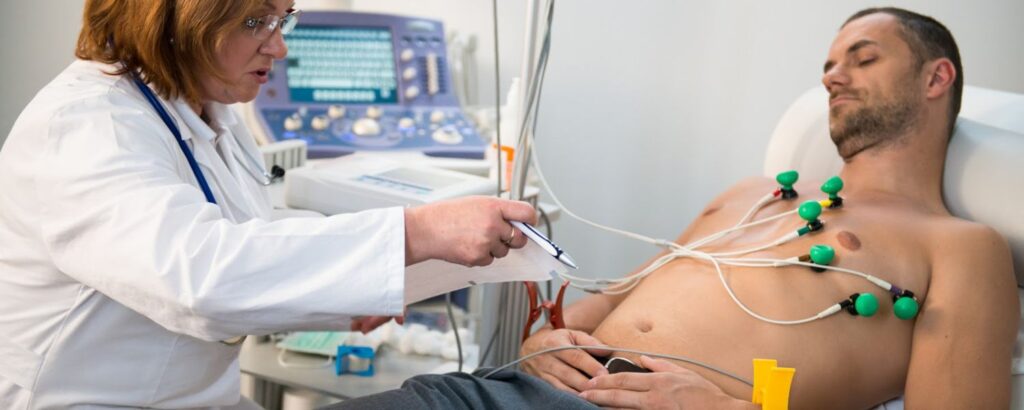
A heart test is a diagnostic procedure used by healthcare professionals to evaluate the structure and function of the cardiovascular system. These tests range from quick, non-invasive screenings to detailed imaging studies.
At its core, a heart test aims to:
- Monitor Rhythm: Check if the heart beats too fast, too slow, or irregularly.
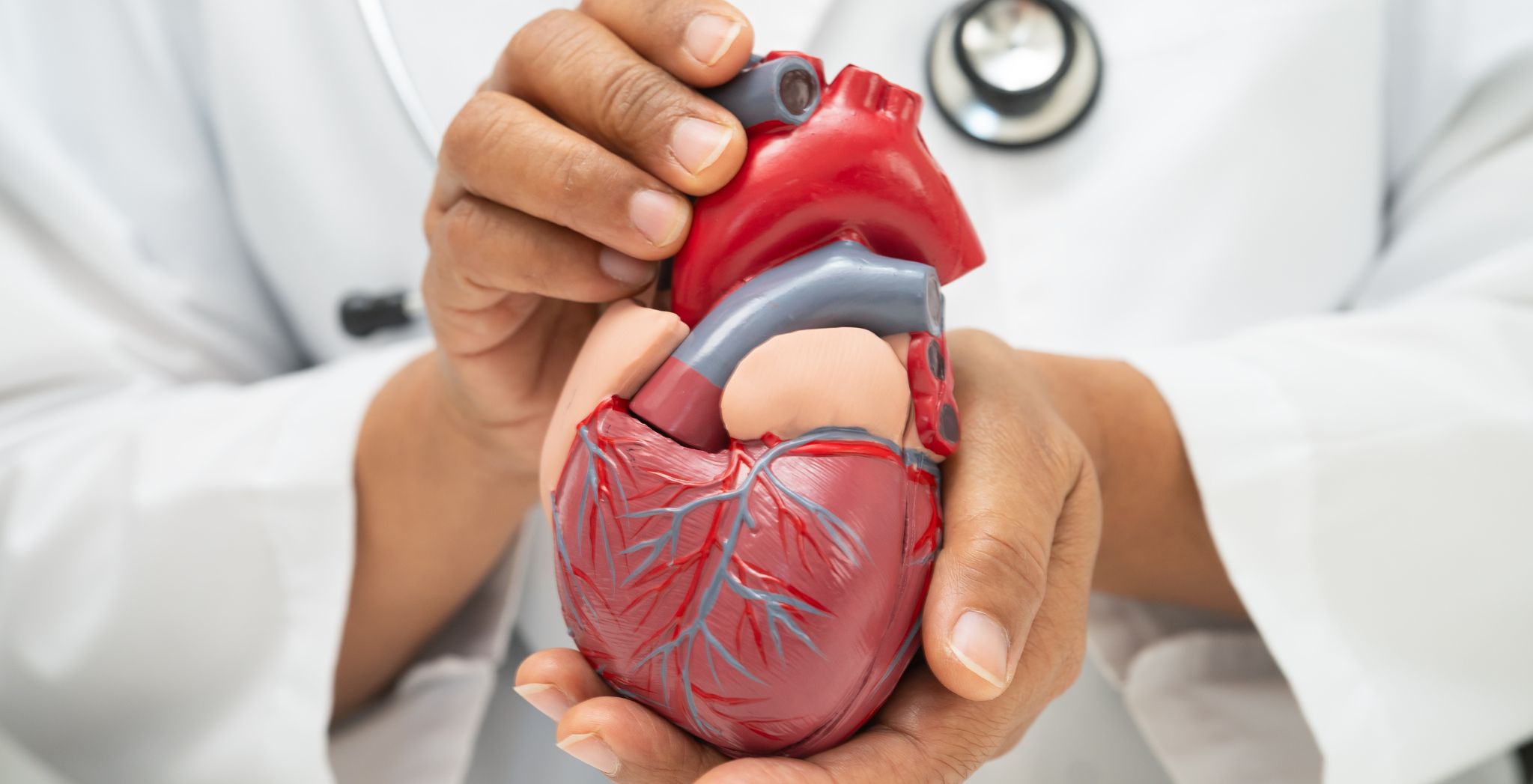
- Assess Structure: Look at the size of the heart chambers and the health of the valves.
- Evaluate Blood Flow: Determine if the coronary arteries are clear or narrowed by plaque.
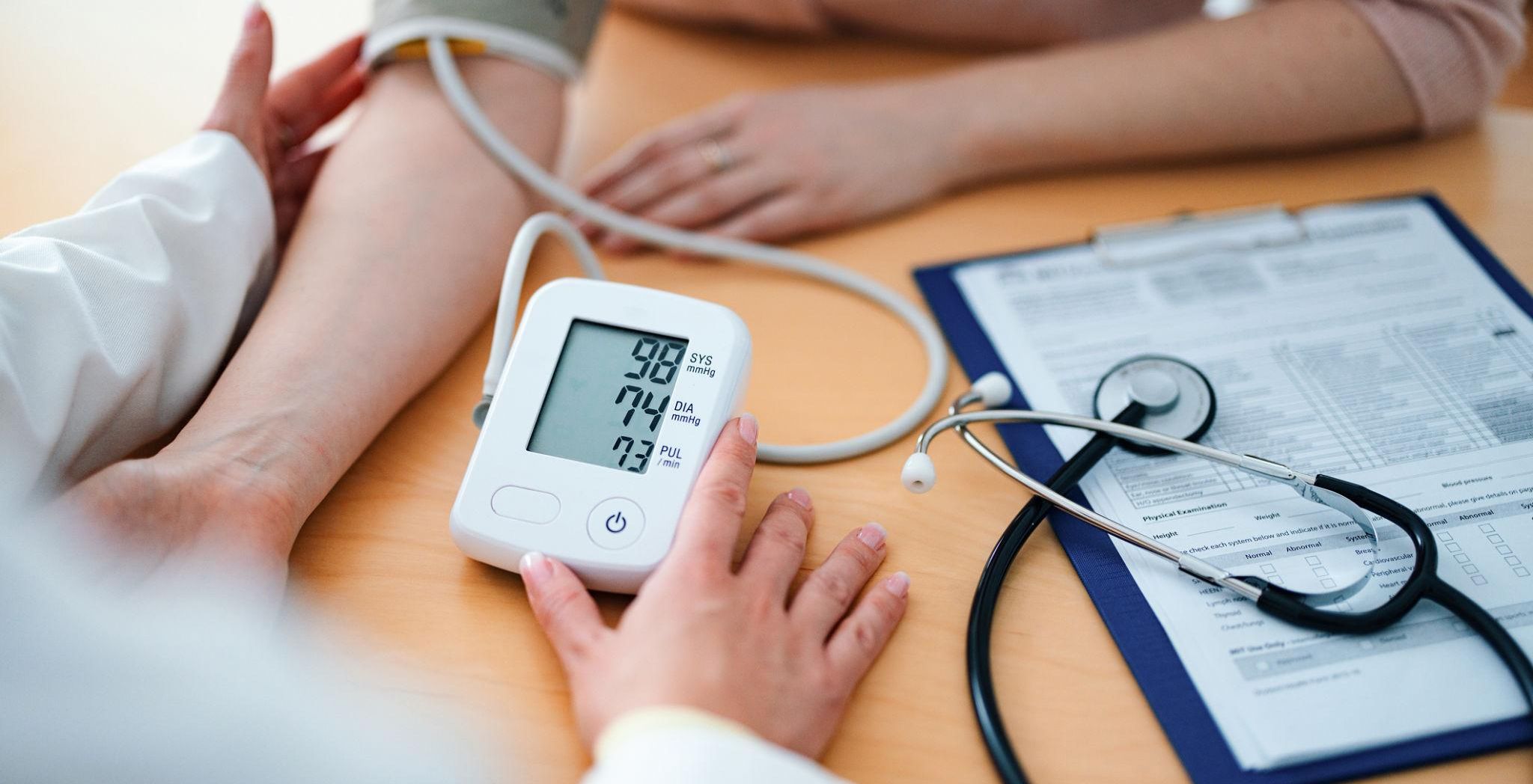
- Measure Pressure: Check the force of blood against artery walls.
By combining different types of screenings, doctors can create a “report card” for your heart, identifying potential risks before they turn into emergencies.
The Importance of Regular Heart Testing

Many cardiovascular issues, such as high blood pressure (the “silent killer”) and early-stage atherosclerosis, do not have obvious symptoms. Regular testing provides a window into your internal health that physical sensations cannot.
Key Benefits of Consistent Screening:
- Early Detection: Identifying plaque buildup or rhythm issues early allows for lifestyle changes rather than invasive surgeries.
- Personalized Prevention: Tests help doctors recommend specific metabolic maintenance strategies tailored to your unique biology.
- Peace of Mind: Knowing your “numbers” (cholesterol, blood pressure, etc.) reduces anxiety and empowers you to take control of your health.
- Tracking Progress: If you are already managing a condition, regular tests show whether your current treatment or supplement regimen is working.
Types of Heart Tests

Depending on your age, family history, and symptoms, your doctor may recommend one or more of the following common heart tests:
1. Electrocardiogram (ECG or EKG)
This is a standard, painless test that records the electrical signals in your heart. It is the go-to method for detecting irregular rhythms (arrhythmias) and evidence of past heart attacks.
2. Echocardiogram (Echo)
An “echo” is essentially an ultrasound of your heart. It uses sound waves to create live images, allowing doctors to see how well your heart muscle is pumping and how your valves are functioning.
3. Stress Test
Often performed on a treadmill or stationary bike, this test monitors how your heart handles physical exertion. It is vital for uncovering issues that only appear when the heart is working hard, such as coronary artery disease.
4. Coronary Calcium Scan (Heart Scan)
This specialized CT scan looks for calcium deposits in the coronary arteries. These deposits are a direct sign of plaque, helping to predict the risk of a heart attack years before it might happen.
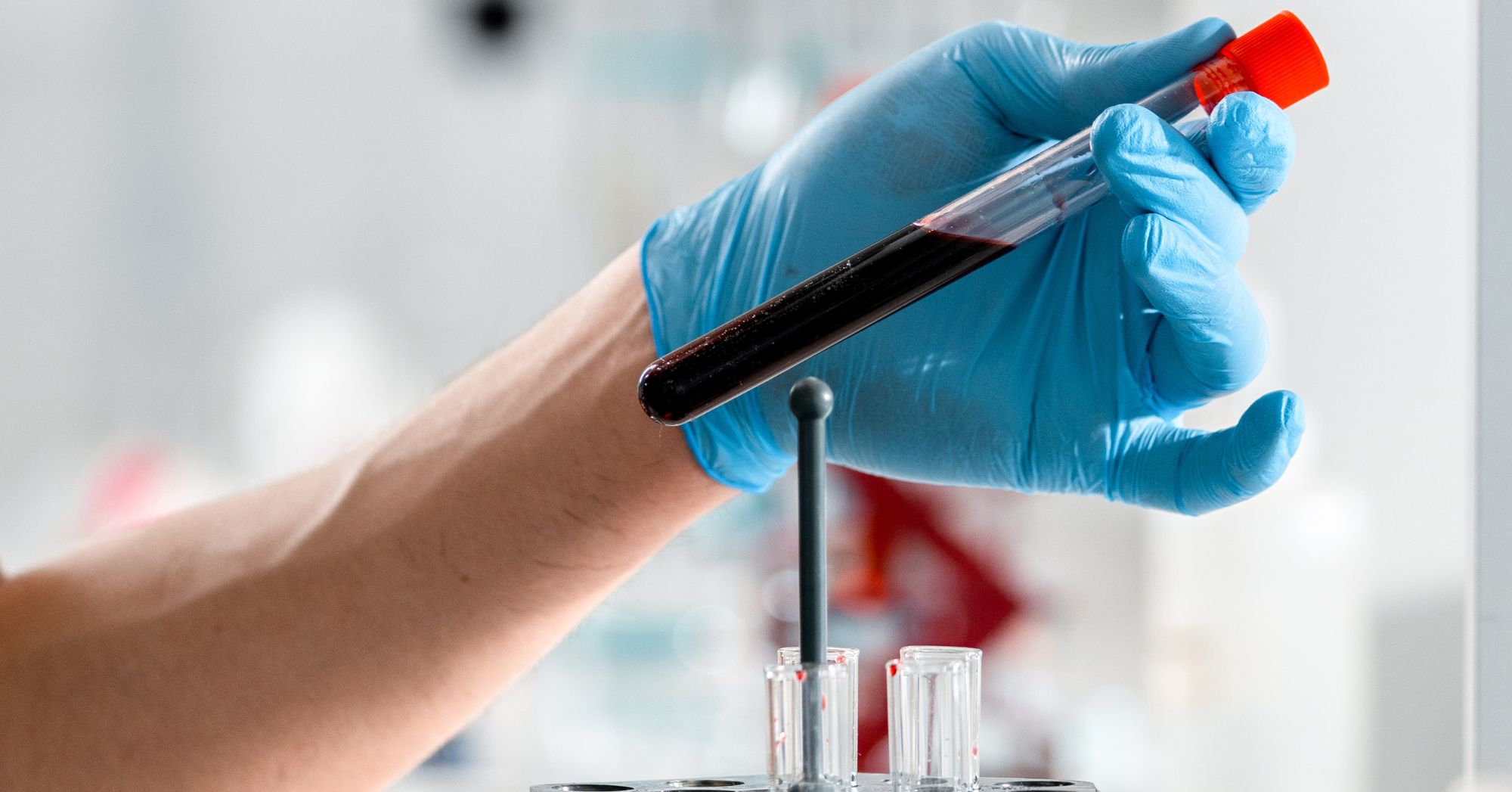
5. Blood Tests (Lipid Panel & Biomarkers)
While not an “imaging” test, blood work is crucial. It measures:
- Cholesterol (LDL/HDL) and Triglycerides.
- C-Reactive Protein (CRP): A marker of inflammation in the arteries.
- Blood Glucose: Essential for understanding the link between metabolism and heart health.
How Does a Heart Test Help Maintain Metabolic Health?

Cardiovascular health and metabolic health are two sides of the same coin. Metabolic maintenance refers to the body’s ability to regulate energy, blood sugar, and lipids effectively. When your metabolism is off, your heart pays the price.
Heart tests provide critical data for metabolic management because:
- Insulin Resistance Detection: High triglycerides and low HDL (found in heart blood tests) are often early warning signs of insulin resistance.
- Inflammation Monitoring: Tests like the hs-CRP reveal “fire” in the vessels, which is often fueled by metabolic dysfunction.
- Vascular Health: Metabolic issues like diabetes can stiffen the arteries. Tests like the Ankle-Brachial Index (ABI) can detect this damage early.
By staying on top of your heart test schedule, you are essentially performing a diagnostic check on your entire metabolic engine.
Heart Test and Its Role in Preventing Cardiac Diseases

The ultimate goal of cardiovascular screening is prevention. Many life-threatening conditions develop over decades, not days.
- Hypertension: Regular blood pressure checks (the simplest heart test) prevent the “wear and tear” that leads to strokes and kidney failure.
- Arteriosclerosis: Early imaging can detect the hardening of arteries. When caught early, this can often be managed with the best supplements to control blood sugar and specific dietary changes.
- Coronary Artery Disease: By identifying narrowed paths for blood flow, doctors can intervene with stents or medication long before a blockage causes a heart attack.
Choosing the Best Heart Test for Your Needs

Not everyone needs every test. Choosing the right one depends on your “risk profile.”
| Risk Level | Recommended Tests |
| Low Risk (Young, no symptoms) | Blood pressure, Lipid panel, Fasting glucose. |
| Moderate Risk (Family history, smoker) | ECG, Coronary Calcium Scan, hs-CRP blood test. |
| High Risk (Chest pain, diabetes, over 60) | Stress test, Echocardiogram, and possibly a CT Angiogram. |
Always consult with a cardiologist to determine which screening is most appropriate for your current health status.
What to Expect During a Heart Test?

One of the biggest hurdles to testing is “white coat syndrome” or fear of the unknown. Here is a quick walkthrough:
Preparation
For most blood tests, you will need to fast for 8–12 hours. For a stress test, you should wear comfortable athletic clothing and avoid caffeine for 24 hours, as it can artificially speed up your heart rate.
During the Test
Most tests are non-invasive. You might have small “stickers” (electrodes) placed on your chest for an ECG, or a cool gel used for an ultrasound (echo). The most you will likely feel is the effort of walking on a treadmill during a stress test.
Post-Test Care
In almost all cases, you can return to your normal activities immediately. Your doctor will typically review the results with you within a few days to discuss any necessary lifestyle adjustments.
The Link Between Heart Health and Other Wellness Factors

Modern medicine is increasingly recognizing that the heart does not exist in a vacuum. It is deeply connected to your gut and your blood sugar.
Gut Health and the “Best Intestinal Cleanse”
Emerging research shows a strong link between the gut microbiome and the heart. An imbalanced gut can lead to systemic inflammation, which irritates the lining of the blood vessels. While many look for the best intestinal cleanse to lose weight, the real benefit of a “cleanse” focused on high fiber and fermented foods is the reduction of inflammatory markers that protect the heart.
Blood Sugar and Heart Protection
Chronic high blood sugar damages the blood vessels and the nerves that control your heart. This is why using the best supplements to control blood sugar, such as Magnesium, Berberine, or Chromium, is often recommended by functional medicine practitioners as a way to support cardiovascular longevity.
Conclusion: Schedule Your Heart Test Today
Your heart works 24/7 to keep you moving, dreaming, and living. Providing it with the care it deserves starts with a simple heart test. Whether it’s a basic blood panel to check your metabolic maintenance or a detailed imaging scan, these tests offer the data you need to live a long, healthy life.
Don’t wait for a “warning sign” that might be too loud to handle. Take a proactive step today. Speak with your healthcare provider, look into the best supplements to control blood sugar to support your vascular health, and prioritize your cardiovascular screening. Your future self will thank you.
Schedule Your Heart Test Today
Don’t wait for a ‘warning sign’ that might be too loud to handle. Take a proactive step today for long-term heart health. Speak with your healthcare provider and prioritize your cardiovascular screening.
Book Your Test NowFAQ Section
What is the most accurate test for heart health?
A. There isn’t one single “perfect” test because they all measure different things. However, a Coronary CT Angiogram or a Cardiac MRI is considered the gold standard for seeing the physical structure and blood flow of the heart with high precision.
How often should I get a heart test?
A. For healthy adults with no symptoms, a basic checkup (blood pressure and cholesterol) should happen annually. More intensive tests, like a Calcium Scan, are typically done every 3–5 years for those at moderate risk, or as recommended by a cardiologist.
What should I do to prepare for a heart test?
A. It depends on the test! For blood work, you usually need to fast. For stress tests, avoid caffeine and wear sneakers. For an ECG, avoid applying oily lotions to your chest, as they can prevent the electrodes from sticking.
Can heart tests help in preventing metabolic diseases?
A. Yes! Heart tests often reveal issues with cholesterol, triglycerides, and inflammation. These are early markers of metabolic syndrome. By addressing these findings through diet, exercise, and the best supplements to control blood sugar, you can prevent the onset of Type 2 diabetes and other metabolic conditions.