How the Echo Heart Test Supports Your Metabolic Healing Journey
Echo Heart Test

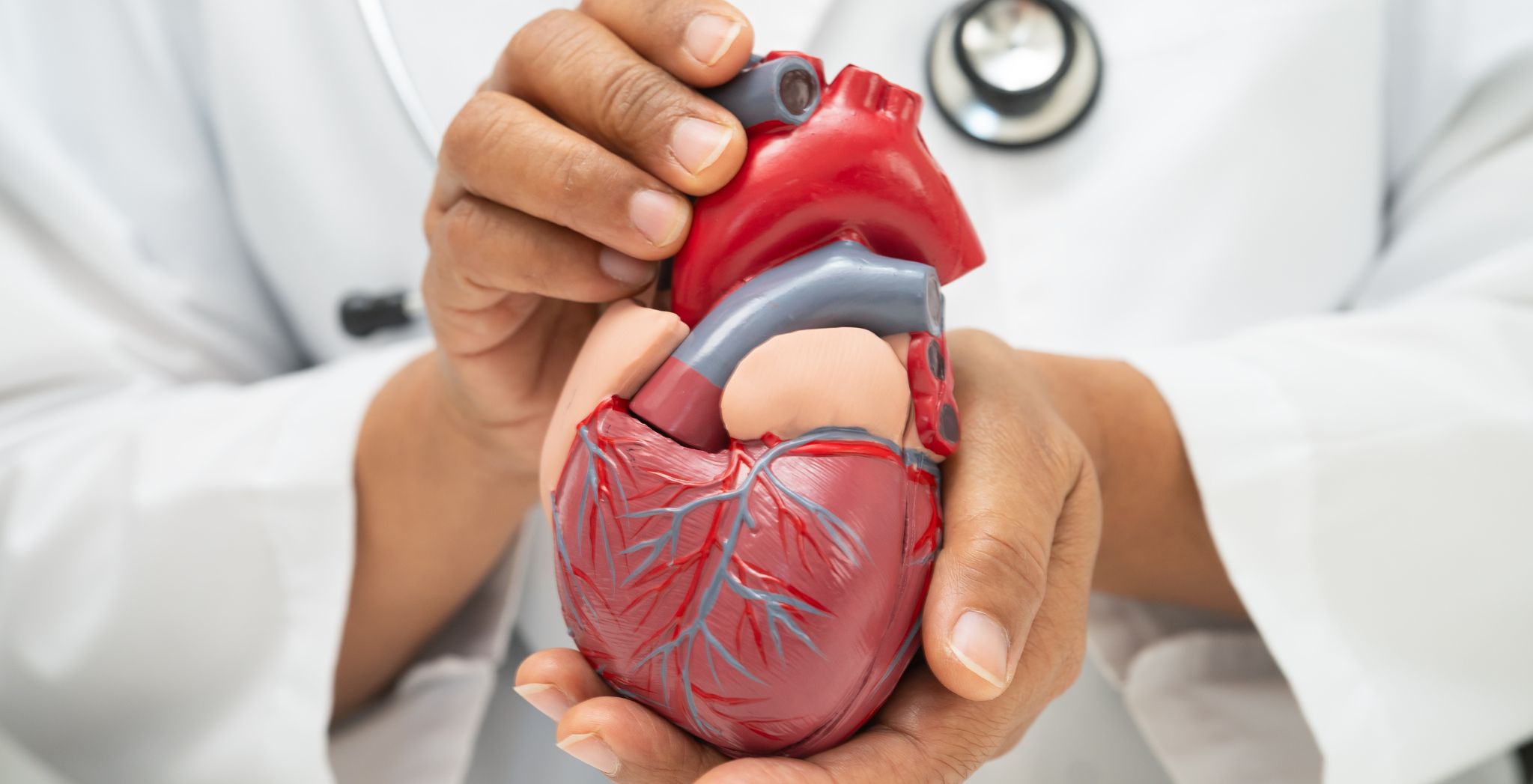
In the modern health landscape, we often treat the body like a collection of separate parts. We see a cardiologist for the heart, an endocrinologist for metabolism, and perhaps a nutritionist for weight. However, the body is a beautifully integrated system where every organ speaks to the others. One of the most overlooked conversations in wellness is the one between your heart and your metabolism. The Echo Heart Test (echocardiogram) is frequently viewed strictly as a tool for diagnosing heart disease. While it excels at that, its value extends far beyond the clinical diagnosis of illness. For those on a metabolic healing journey aiming to reverse insulin resistance, manage weight, or restore energy levels the Echo Heart Test serves as a vital compass. Understanding how your heart pumps, moves, and responds to stress is a fundamental building block of metabolic health. What is the Echo Heart Test The Echo Heart Test is an ultrasound for your heart. It uses high-frequency sound waves to create live, moving images of the heart’s structure and its rhythmic activity. Unlike an X-ray, it involves no radiation. Instead, it offers a dynamic view of your internal engine in real-time. During the test, a technician uses a transducer to send sound waves through the chest wall. These waves bounce off the heart’s structures, and a computer converts those echoes into images. A doctor uses these images to evaluate several critical metrics: How the Echo Heart Test Relates to Metabolic Health Metabolism is essentially the process by which your body converts food and oxygen into energy. Your heart is the delivery vehicle for that energy. If the heart is struggling to pump efficiently, the delivery of oxygen and nutrients to your cells becomes sluggish. A healthy heart is the foundation of optimal metabolic function. When heart efficiency dips even slightly it can trigger a cascade of metabolic issues, including persistent fatigue, poor glucose regulation, and a decreased ability for the body to detoxify itself. By getting an Echo Heart Test, you aren’t just checking for disease; you are checking the flow that powers your entire metabolic recovery. Health Benefits of the Echo Heart Test When you are working to heal your metabolism, you need data that goes deeper than the numbers on a bathroom scale. The Echo Heart Test provides a biological audit that supports your healing journey in three specific ways: 1. Detecting Silent Barriers to Healing Many people struggle with metabolic plateaus where weight won’t budge or energy remains low despite a perfect diet. Sometimes, the bottleneck is Heart Function. Conditions like mild heart valve stiffness or early-stage heart disease can limit the amount of oxygen-rich blood reaching your muscles and organs. If your tissues aren’t getting enough oxygen, they cannot burn fuel (fat and glucose) efficiently. The Echo test identifies these silent barriers early, allowing you to address them before they derail your progress. 2. Monitoring Real-Time Progress Metabolic healing is a marathon, not a sprint. As you change your diet, incorporate movement, and manage stress, your heart actually changes shape and efficiency. An Echo Heart Test allows you to monitor these structural improvements. Seeing an improvement in your heart’s pumping capacity or a reduction in heart wall thickness provides powerful, clinical evidence that your lifestyle changes are working on a cellular level. 3. Optimizing Nutrient and Oxygen Delivery Metabolic healing requires the efficient removal of metabolic waste (like CO2 and lactic acid) and the delivery of repair nutrients. By evaluating blood flow through the heart’s chambers, the Echo test ensures that your circulatory system is robust enough to handle the clean-up work required during a detox or a significant lifestyle shift. How the Echo Heart Test Affects Your Metabolism It is a common misconception that metabolism happens only in the gut or the liver. In reality, your Heart Health dictates the speed limit of your metabolism. Consider Insulin Sensitivity. For insulin to work correctly, it must be delivered through the bloodstream to the muscle cells. If your heart has a low ejection fraction or if there is poor vascular resistance (which an Echo test can help contextualize), the delivery of insulin is delayed. This can lead to higher blood sugar spikes and increased fat storage. Furthermore, a heart that is under strain triggers the body’s sympathetic nervous system (the fight or flight response). Chronic activation of this system raises cortisol levels. High cortisol is a known metabolic killer it encourages belly fat storage and breaks down muscle tissue. By ensuring your heart is functioning with ease through regular Cardiac Monitoring, you help keep your stress hormones in check, creating a fertile ground for metabolic healing. When Should You Seek Professional Help? While lifestyle changes are powerful, they should be guided by clinical insight. You should prioritize an Echo Heart Test and professional consultation if you experience: A healthcare professional can interpret your Echo results not just as normal or abnormal, but as a baseline for your metabolic potential. They can help you tailor your exercise intensity and nutritional needs based on exactly how your heart is performing. Conclusion Your journey toward metabolic healing is about more than just calories in and calories out. It is about restoring the rhythm and efficiency of your body’s most vital systems. The Echo Heart Test is a foundational tool in this process. By understanding your heart function, you gain the clarity needed to optimize your nutrient delivery, improve your energy, and ensure that your body has the physical capacity to heal. Don’t leave your metabolic health to guesswork. By proactively monitoring your heart health, you ensure that your engine is strong enough to carry you toward a life of sustainable energy and long-term vitality. Reach out to a professional today to see how an Echo Heart Test can fit into your personalized healing plan. CTA Section How Healthy Is Your Heart? Take the first step in early heart disease detection. Book your echo Heart Test and detect plaque before blockages occur. Get Your echo heart Test … Read more

Feeling Off Lately? A Nutrient Deficiency Test Could Be the Answer

Feeling Off Lately? A Nutrient Deficiency Test Could Be the Answer

We often blame our busy schedules, the changing seasons, or “just getting older” for that lingering sense of fatigue or the persistent brain fog that clouds our afternoons. We reach for an extra cup of coffee, try to sleep in on weekends, or perhaps pick up a random multivitamin from the grocery store shelf, hoping it provides the spark we’re missing. A Nutrient Deficiency Test is the bridge between guessing and knowing. Instead of self-medicating with supplements you might not actually need, this diagnostic tool uncovers what your body is truly lacking. By identifying these gaps early, you can move away from vague symptoms and toward a targeted plan for health optimization. What Is a Nutrient Deficiency Test? A Nutrient Deficiency Test is a specialized diagnostic tool most commonly a blood nutrient test designed to measure the levels of essential vitamins, minerals, and antioxidants circulating in your system. While a standard physical might look at basic markers like cholesterol or blood sugar, micronutrient testing goes deeper. It examines the microscopic building blocks that allow your cells to produce energy, repair tissue, and regulate hormones. These tests typically look for: By analyzing these levels, healthcare providers can see if you are within the “optimal” range rather than just the “standard” range, providing a complete picture of your nutritional health. Common Signs You May Need a Nutrient Deficiency Test Our bodies are remarkably communicative, but we aren’t always great at listening. Nutrient imbalances don’t usually happen overnight; they whisper before they shout. If you recognize any of the following nutrient deficiency symptoms, it may be time to stop speculating and start testing. 1. Constant Fatigue or Low Energy This isn’t just the “I worked a long day” kind of tired. It’s an underlying exhaustion that doesn’t resolve with sleep. It is often the primary indicator of low iron (anemia) or a B12 deficiency. 2. Brain Fog or Poor Focus Do you find yourself walking into a room and forgetting why? Or struggling to concentrate on a simple task? Cognitive “fuzziness” is a classic sign that your brain isn’t getting the micronutrients it needs to maintain neurotransmitter balance. 3. Hair Thinning or Sudden Loss While genetics play a role, sudden changes in hair volume or texture are often linked to deficiencies in biotin, zinc, or iron. If your hair has lost its luster or you’re seeing more strands in the drain than usual, your body might be diverting nutrients away from “non-essential” hair growth to protect vital organs. 4. Weak Immune System If you find yourself catching every cold that goes around the office or taking weeks to recover from a simple sniffle, your “defense shield” is likely compromised. Vitamin D and Vitamin C are the heavy hitters here; without them, your immune cells can’t communicate effectively. 5. Muscle Cramps and Weakness Frequent charley horses or a general sense of muscle “heaviness” often point toward an imbalance in electrolytes and minerals, specifically magnesium, potassium, or calcium. Why You Shouldn’t Ignore Nutrient Deficiencies It is easy to dismiss a minor symptom as a “quirk” of your body. However, ignoring a nutrient imbalance is like ignoring a “low oil” light in a car. Eventually, the engine will suffer. Chronic Fatigue and Burnout When your cells cannot produce ATP (energy) because they lack B vitamins or iron, your body enters a state of chronic stress. Over time, this leads to adrenal fatigue and a complete sense of burnout that can take months or years to reverse. Hormonal Imbalance Nutrients are the precursors to hormones. For example, Vitamin D acts more like a hormone than a vitamin, influencing everything from mood to reproductive health. Without the right building blocks, your hormonal system can fall out of sync, leading to mood swings, sleep disturbances, and metabolic issues. Long-Term Health Risks Untreated deficiencies aren’t just about feeling tired today; they are about your health ten years from now. Chronic Vitamin D deficiency is linked to bone density loss (osteoporosis), while long-term B12 deficiency can lead to permanent nerve damage and cognitive decline. Key Nutrients Commonly Tested While there are dozens of micronutrients, a few key players are most frequently responsible for feeling “off.” Nutrient Vital Role Common Deficiency Signs Vitamin D Immune function & bone health Bone pain, low mood, frequent illness Vitamin B12 Energy & nerve function Tingling in hands/feet, extreme fatigue Iron Oxygen circulation Pale skin, cold hands, shortness of breath Magnesium Muscle & nerve relaxation Anxiety, muscle twitches, insomnia Zinc Tissue repair & immunity Slow wound healing, loss of taste/smell The Importance of B12 and Iron Specifically, Vitamin B12 deficiency symptoms and iron issues are incredibly common in modern society due to dietary shifts and digestive issues. Because B12 is primarily found in animal products, those on plant-based diets must be particularly vigilant. Similarly, iron is essential for carrying oxygen to your brain; without it, you are quite literally running on “low oxygen.” Taking the Next Step Toward Health Optimization The goal of a Nutrient Deficiency Test isn’t just to find out what’s “wrong” it’s to empower you to live better. When your body has the exact tools it needs, your energy stabilizes, your skin clears, and your mental clarity returns. It’s about moving from a state of “surviving” to a state of “thriving.” If you have been feeling “off” without a clear reason, it is time to stop the guesswork. Understanding your internal chemistry provides the clarity you need to take control of your health and prevent long-term issues before they start. Conclusion The Nutrient Deficiency Test is an essential step toward understanding your body’s unique needs. By pinpointing deficiencies early, you can move from guessing to knowing, empowering you to take control of your health. With personalized insights into key nutrients, Don’t let hidden nutrient gaps hold you back—invest in your health and start thriving today. At this stage, you can explore service tailored nutrition plans and more. CTA Section Take Control of Your Health Today Stop guessing and take charge of your … Read more

Calcium Heart Test: Detect Heart Risks Early

Calcium Heart Test Detect Heart Risks Early

Introduction Heart disease continues to be a leading global health concern, often dubbed the “silent killer” because many individuals don’t realize they have it until a serious event, such as a heart attack or stroke, occurs. Fortunately, advancements in medical technology now allow us to detect heart issues long before symptoms appear. One of the most valuable tools in modern cardiology is the heart calcium test. This simple yet powerful scan detects early signs of plaque buildup in the arteries, providing crucial insight into your heart health. By identifying these warning signs early, the test enables timely intervention and tailored prevention strategies that can truly save lives. What Is the Calcium Heart Test? The calcium heart test, medically known as a coronary artery calcium (CAC) scoring, is a specialized, non-invasive imaging test. It utilizes a CT heart scan to take high-resolution pictures of your coronary arteries the vessels that supply oxygen-rich blood to your heart muscle. The primary goal of this test is to look for calcium deposits. In a healthy heart, the arteries are clear and flexible. However, over time, a substance called plaque (made of fat, cholesterol, and calcium) can begin to accumulate on the inner walls of the arteries. This process is known as atherosclerosis. As plaque ages, it calcifies, making it visible on a CT scan. A higher amount of calcium indicates a higher volume of plaque. This is a direct marker for coronary artery disease (CAD). While traditional risk factors like high blood pressure or cholesterol give doctors a “statistical” idea of your risk, the calcium score provides a “physical” look at whether the disease process has actually started. How Does the Calcium Heart Test Work? One of the reasons many patients prefer the heart calcium test is its simplicity. It is a quick, painless procedure that provides a wealth of information without the need for invasive measures. Before the Test Preparation is minimal. Unlike many medical procedures, you generally do not need to fast. You can eat and drink normally, though some facilities may ask you to avoid caffeine for a few hours before the scan to ensure your heart rate is steady. You will likely be asked to wear comfortable clothing and may need to remove jewelry or metal objects that could interfere with the CT images. During the Test The entire procedure takes about 10 to 15 minutes. You will lie on a motorized table that slides into a doughnut-shaped machine called a CT scanner. Small electrodes (sensors) may be placed on your chest to monitor your heart’s electrical activity. This allows the scanner to take pictures specifically between heartbeats when the heart is most still, ensuring the clearest possible images. You may be asked to hold your breath for a few seconds at a time. After the Test There is zero recovery time. Since no dyes, needles, or sedatives are used, you can drive yourself home and resume your normal daily activities immediately. The images are then analyzed by a radiologist or cardiologist to calculate your “Agatston Score,” which is the numerical value representing the amount of calcium found. Benefits of the Calcium Heart Test Why should someone consider a non-invasive heart test like this? The benefits go far beyond just “knowing your number.” What Conditions Does the Calcium Heart Test Detect? The calcium heart test is specifically designed to identify the “footprints” of heart disease. How the Calcium Heart Test Detects Plaque at Early Stages The Heart Test is a powerful tool for detecting heart disease in its earliest stages, specifically by identifying plaque buildup in the coronary arteries before it causes significant blockages. This is crucial for preventing heart attacks and strokes. But how does this test detect plaque so early, especially when traditional methods like stress tests often miss it? Plaque Formation and Its Early Stages Plaque in the arteries is primarily made up of fatty deposits, calcium, and other substances found in the blood. Over time, these fatty deposits can harden into calcified plaque. This process can take years or even decades, often without causing noticeable symptoms. Conclusion Thecalcium heart testis a transformative tool in the realm of heart disease prevention. It bridges the gap between “guessing” your risk and “knowing” your risk. By providing a clear, non-invasive look at the state of your arteries, it empowers you to take control of your cardiovascular health before an emergency occurs. If you are over 40 and have risk factors like a family history of heart disease, high blood pressure, or past smoking habits, this test could be the most important 15 minutes you spend on your health this year. CTA Section How Healthy Is Your Heart? Take the first step in early heart disease detection. Book your Calcium Heart Test and detect plaque before blockages occur. Get Your Calcium Test Today FAQs Q1: What is a good calcium score for a 70-year-old?  While a score of zero is always the “ideal,” it becomes rarer as we age. For a 70-year-old, a score is often compared to others in the same age group (percentiles). However, regardless of age, a score above 100 usually warrants a discussion with a doctor about preventative therapies, and a score above 400 is considered high risk regardless of how old you are. Q2: What not to do before a coronary calcium test?  The test is very low-maintenance. However, it is generally recommended to avoid smoking and consuming caffeine (coffee, tea, soda, energy drinks) for at least 4 to 6 hours before the test. These substances can increase your heart rate, which might make it harder for the CT scanner to get a perfectly still image of your heart. Q3: What dissolves calcium deposits in the body naturally?  Once calcium has hardened into plaque in the arteries, it cannot be “dissolved” or melted away easily like ice. However, you can stabilize the plaque to prevent it from rupturing (which causes heart attacks). This is done through a heart-healthy diet (like the Mediterranean diet), regular … Read more

Why You Should Get an Insulin Level Blood Test for Better Health

Why You Should Get an Insulin Level Blood Test for Better Health

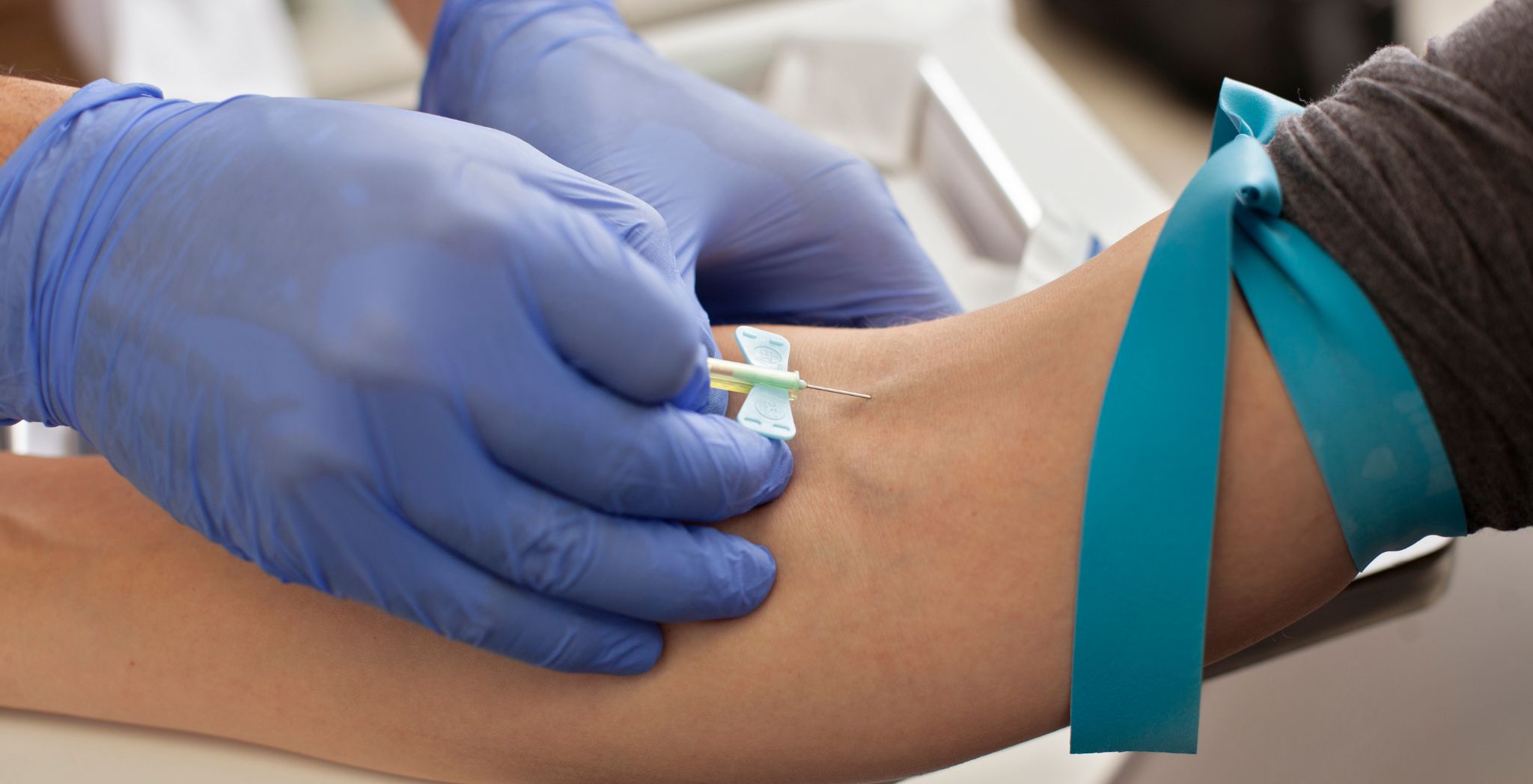
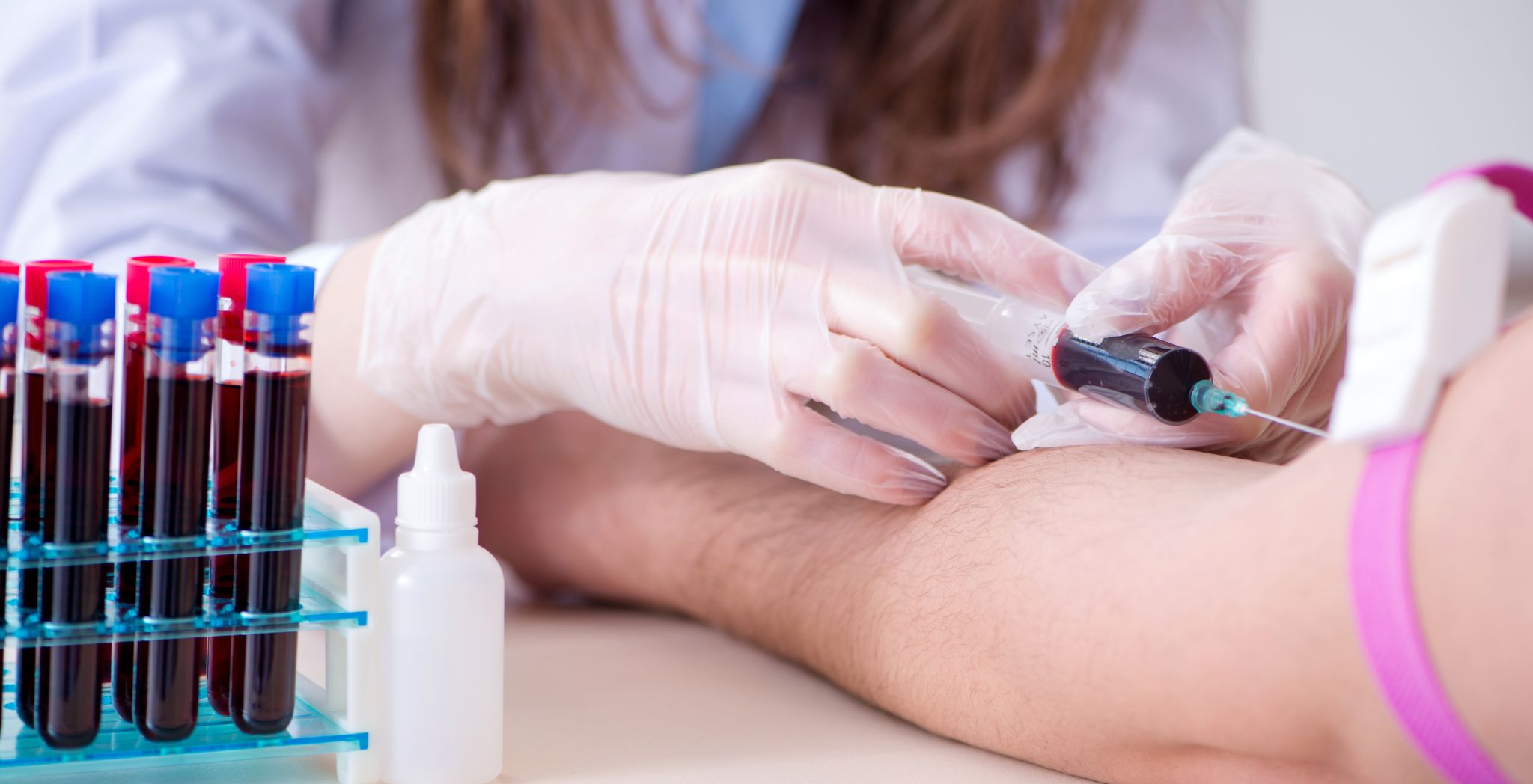
In the modern world, we often focus on blood sugar (glucose) as the primary indicator of health. However, there is a silent driver behind those numbers that is arguably more important: insulin.  Insulin is the master hormone responsible for signaling your cells to take in sugar for energy. When this system falters, it leads to insulin resistance a condition that often remains invisible for years before it turns into type 2 diabetes. An insulin level blood test is a vital tool because it can catch metabolic “smoke” before there is a “fire.” While a standard glucose test tells you what is happening right now, an insulin test tells you how hard your body is working to keep things normal.  By measuring this hormone, you can stay ahead of chronic issues and take proactive, informed steps to optimize your longevity. What Is an Insulin Level Blood Test? An insulin level blood test is a diagnostic procedure that measures the specific concentration of insulin in your blood. While glucose tests measure the “fuel” in your system, the insulin test measures the “key” that unlocks your cells to let that fuel in.  This is a critical distinction. Many people have normal blood sugar levels only because their bodies are overproducing insulin to compensate for a sluggish metabolism. Without testing insulin specifically, this overcompensation and the damage it causes remains hidden. Testing insulin levels through Functional Blood Chemistry provides a clearer picture of your metabolic health, helping to uncover potential issues that aren’t visible through standard blood sugar tests. By identifying these imbalances, you can address them before they lead to long-term health problems. The Purpose of the Test The primary purpose is to assess your metabolic efficiency. It helps doctors determine if your pancreas is producing too much insulin hyperinsulinemia or too little. It is also used to investigate the causes of low blood sugar (hypoglycemia) or to monitor the effectiveness of treatments for insulin resistance. Types of Insulin Tests Benefits of an Insulin Level Blood Test The benefits of testing extend far beyond just “checking a box” for your annual physical. It provides a deep dive into your internal biochemistry. Detecting Insulin Resistance Early Insulin resistance occurs when your cells stop responding to the hormone’s signals. To fix this, your pancreas pumps out even more insulin. You might feel fine, but high circulating insulin is inflammatory and promotes fat storage. An insulin level blood test can identify this trend years sometimes a decade before your blood sugar actually starts to rise. Catching it early means you can reverse the trend before permanent damage occurs. Improving Diabetes Management For those already navigating a diabetes diagnosis, insulin testing offers a layer of precision that glucose monitoring alone cannot provide. It helps healthcare providers understand if a patient is struggling with a lack of insulin production (common in Type 1) or an inability to use the insulin they have (common in Type 2). This clarity allows for much more effective adjustments in medication, timing of meals, and carbohydrate intake. Monitoring Metabolic Health Your metabolic health is the foundation of your overall well-being. High insulin is linked to a cluster of problems known as Metabolic Syndrome, which includes high blood pressure, belly fat, and high triglycerides. By tracking your insulin blood test results over time, you can see if your personalized nutrition plan such as a lower-carb or anti-inflammatory diet is actually working at a cellular level. How to Prepare for an Insulin Level Blood Test To ensure your results are accurate and actionable, proper preparation is essential. Because insulin levels fluctuate wildly based on what you eat and how you move, consistency is key. Fasting Requirement For a fasting insulin level test, you will typically be required to fast for 8 to 12 hours. This means no food and no drinks other than plain water. Most people find it easiest to schedule the test for early morning, using the time spent sleeping as the bulk of their fasting window. Fasting is non-negotiable because even a small snack can trigger an insulin spike, rendering the baseline measurement useless. What to Expect The process is a standard blood draw. A healthcare professional will clean an area on your arm, insert a small needle into a vein, and collect a sample in a vial. You might feel a quick pinch, but the process takes less than five minutes. Results are usually processed by a lab and returned to you within 2 to 4 business days. Factors Affecting Test Results Be aware that certain variables can skew your numbers: Interpreting Your Insulin Level Blood Test Results Receiving your lab report can be overwhelming. Understanding the ranges helps you have a more productive conversation with your doctor. Normal Insulin Levels While “normal” lab ranges vary, a healthy fasting insulin level is generally considered to be between 2.0 and 5.0 µIU/mLby many functional medicine experts, though standard labs may list up to 15 or 20 as “normal.” Lower is generally better, as long as your blood sugar isn’t too high. Elevated Insulin Levels If your insulin blood test results show high numbers (hyperinsulinemia), it is a strong signal of insulin resistance. Chronic high insulin is associated with: Low Insulin Levels Low levels are less common in the general population but are very significant. They can indicate that the pancreas is struggling to keep up, which is seen in Type 1 diabetes or late-stage Type 2 diabetes (pancreatic exhaustion). Next Steps If your results are outside the optimal range, don’t panic. The beauty of insulin is that it is highly responsive to lifestyle. Next steps often include: When Should You Get an Insulin Level Blood Test? Not everyone needs this test every month, but there are specific “red flags” and life stages where it becomes essential. High-Risk Individuals If you have a family history of diabetes, you should be checking your insulin levels annually. Additionally, those struggling with obesity specifically carrying weight around the midsection are at a much higher risk … Read more

What Happens When You Detox Your Body? Unlock the Benefits Today!

What Happens When You Detox Your Body? Unlock the Benefits Today!

Introduction The modern world is a marvel of convenience, but it comes with a hidden cost. From the processed foods in our pantries to the environmental pollutants in our air, our bodies are constantly navigating a sea of toxins.  You might feel it as a persistent afternoon slump, stubborn bloating after meals, or skin that has lost its natural glow. These are often whispers from your system suggesting it’s time for a reset. How to detox your body isn’t about extreme fasts or restrictive “miracle” potions. It is about understanding that your body is a high-performance machine with its own built-in filtration system.  By supporting these natural processes, you can unlock a level of vitality you might have forgotten was possible. What is Detoxification? What Detoxification Really Means In the world of wellness, “detox” is often used as a buzzword for quick-fix diets. However, detoxification is a biochemical process. It is the body’s way of transforming harmful substances whether they come from the environment, your diet, or internal metabolic waste into less harmful compounds that can be safely excreted. Think of it like a “system update” for your biology. When the load of toxins exceeds your body’s ability to process them, they can accumulate in fatty tissues, leading to inflammation and oxidative stress. A focused detox period helps clear this backlog. The Body’s Natural Detox Process We are born with an elite “clean-up crew” that works 24/7: Health Benefits of Detoxing Your Body How Detox Improves Your Health When you take the burden off your internal organs, the results are often visible and immediate. Long-Term Wellness Beyond the immediate “glow,” regular detoxing supports long-term health. It reduces the cumulative inflammation that leads to chronic issues. Many people report significant “brain fog” lifting, leading to sharper mental clarity and more stable moods. By periodically resetting your system, you create a foundation for aging gracefully and maintaining high energy levels year-round. How to Stay Energized During Your Detox? A common misconception is that a detox will leave you feeling weak or tired. While your body may go through a brief adjustment period as it sheds sugar cravings, you can and should remain energized. Maintaining Energy Levels Avoiding Fatigue If you feel a headache or tiredness, it is often a sign of dehydration or “die-off” from sugar-loving bacteria in the gut. Listen to your body. If you’re used to five cups of coffee a day, taper off slowly rather than quitting cold turkey to avoid withdrawal fatigue. Structuring Your Detox Plan Starting a detox doesn’t have to be overwhelming. Success lies in preparation. How to Start a Detox Plan When Should You Seek Professional Detox Help? While lifestyle shifts are great for everyone, some situations require a more clinical or guided approach. Is Professional Detox Right for You? If you are dealing with chronic fatigue syndrome, significant digestive disorders, or metabolic issues, a DIY detox might not be enough. Furthermore, individuals with a history of disordered eating or those who are pregnant should always seek professional oversight. Benefits of Expert Support Professionals can provide a personalized detox plan that accounts for your specific blood markers and sensitivities. They can identify if your “detox pathways” are actually open. For instance, if you are constipated, a detox can actually make you feel worse because the toxins have nowhere to go. An expert ensures the “exit doors” are open before the cleaning begins. Conclusion Detoxing isn’t a punishment for what you ate yesterday; it’s a celebration of what your body can achieve when it’s unburdened. By focusing on detox to improve digestion and eliminate cellular waste, you open the door to natural energy, clearer skin, and a more resilient immune system. Your journey to a cleaner, more vibrant self can start with small changes like swapping a processed snack for fruit or replacing soda with herbal tea. For a deeper transformation, consult with professionals like Olgas Nutrition for a plan tailored to your unique biology. Your body is ready to heal; it just needs the right environment to begin. CTA Section Is Your Body Is Detoxed? It’s time to prioritize your health, book a consultation to ensure that your body is detoxed Get Consultation Today FAQs 1.What is the fastest way to flush your body of toxins?  The fastest way is through consistent hydration, drinking natural detox aids like lemon water or dandelion tea, and engaging in light exercise or sauna sessions to boost circulation and sweating. 2.How can I flush out my whole body?  Focus on a “total system” approach: drink 2-3 liters of water daily, consume high-fiber plants to clear the colon, and avoid processed chemicals that add to the liver’s workload. 3.How to detox your full body naturally?  A combination of whole, unprocessed foods, herbal teas, cold-pressed juices, and adequate rest will support your organs in their natural mission to clean your system. 4.What are three signs you need to detox?  The most common “red flags” are persistent low energy (fatigue), digestive discomfort (bloating/gas), and frequent skin breakouts or rashes. 5.Where should I get the best detoxification method in West Pawlet, United States?  For those in West Pawlet seeking professional, safe, and tailored detox support, Olga Nutrition is the premier destination. They offer personalized Total Body Detox plans designed to balance gut health, support metabolic wellness, and remove toxins effectively.

Vitamin D Test: Why It Matters & How It Works

Vitamin D Test Why It Matters & How It Works

Introduction Most of us spend our days juggling work, family, and endless to-do lists, often neglecting the “silent” signals our bodies send us. You might feel a bit more tired than usual, or perhaps your joints ache after a long day, and you brush it off as “just getting older” or “stress.” However, the culprit could be something much simpler: a lack of sunshine or, more specifically, Vitamin D. Vitamin D plays a foundational role in maintaining overall health, yet millions of people worldwide are walking around with a deficiency they don’t even know exists. A Vitamin D test is the only definitive way to bridge the gap between guessing and knowing. By understanding your levels, you can take proactive steps toward stronger bones, a sharper mind, and a more resilient immune system. What Is a Vitamin D Test? At its core, a Vitamin D test is a straightforward diagnostic tool used to measure the concentration of this essential nutrient in your blood. Unlike many other vitamins that we get strictly from food, Vitamin D is actually a pro-hormone that our skin produces when exposed to sunlight. When you go for a screening, the lab is primarily looking for a specific form called 25-hydroxyvitamin D. This is the most accurate marker because it stays in your bloodstream longer and reflects the total amount of Vitamin D you are getting from all sources: the sun, your diet, and any supplements you might be taking. The procedure is quick, a standard blood draw from a vein in your arm, but the information it provides is a blueprint for your long-term physical wellness. Why Is Vitamin D So Important for Your Health? Think of Vitamin D as the “key” that unlocks various doors in your biological system. Without it, several critical functions start to slow down or fail. 1. The Calcium Connection You could drink all the milk in the world, but if your Vitamin D levels are low, your body cannot effectively absorb calcium. This leads to a decrease in bone density, making you more susceptible to fractures or conditions like osteoporosis. 2. Immune System Defense Vitamin D is a potent modulator of the immune system. It helps your white blood cells, the “soldiers” of your body, fight off bacteria and viruses. People with optimal levels often find they bounce back faster from seasonal illnesses. 3. Mood and Mental Health Have you ever noticed how your mood dips during the dark winter months? Research suggests a strong link between Vitamin D receptors in the brain and the regulation of mood. Maintaining healthy levels is often associated with a lower risk of depression and seasonal affective disorder (SAD). 4. Muscle Function Chronic muscle weakness or “heaviness” in the limbs can often be traced back to a deficiency. Vitamin D ensures that muscle fibers are functioning efficiently, which is vital for balance and preventing falls as we age. Who Should Get a Vitamin D Test? Not everyone needs a test every month, but certain groups are at a much higher risk of deficiency. You should consider booking a Vitamin D test if you fall into any of the following categories: How Does the Vitamin D Test Work? The process is designed to be as non-intrusive as possible. Here is what you can expect: Understanding Your Vitamin D Test Results Once you get that lab report back, the numbers can look a bit confusing. While different labs may have slightly different “normal” ranges, the consensus follows these benchmarks: Level Category Range (ng/mL) What it Means Deficient Below 20 You are at high risk for bone loss and immune issues. Action is required. Insufficient 20 to 30 You aren’t quite “sick,” but your body isn’t operating at its peak potential. Sufficient 30 to 80 This is the “sweet spot” for most healthy individuals. High/Toxic Above 100 Usually caused by over-supplementation; can lead to calcium buildup in the blood. Your healthcare provider will interpret these results based on your personal health history. If you are deficient, they may prescribe a high-dose supplement for a few weeks to “reset” your levels. Vitamin D Test vs. Vitamin B12 Test It is very common for doctors to order a Vitamin D test alongside a Vitamin B12 test. While both are essential, they serve very different masters within your body. Because both deficiencies can cause fatigue and a general sense of feeling “run down,” testing for both gives a comprehensive picture of your internal engine. The Role of Nutrition and Gut Health You are not just what you eat; you are what you absorb. This is a critical distinction when talking about vitamins. Vitamin D is fat-soluble, meaning it needs fat to be processed. Furthermore, it requires a healthy digestive tract to enter the bloodstream. The Impact of Bowel Health If your digestive system is sluggish or backed up with waste, the lining of your intestines may not be able to absorb nutrients efficiently. This is why some people find that the best bowel cleansing routines or the best colon cleanse (through high-fiber diets and hydration) can actually improve their energy levels. By clearing the “pipes,” you allow your body to better uptake the Vitamin D and B12 found in your diet and supplements. A clean, high-functioning gut ensures that every dollar you spend on quality food and vitamins isn’t just passing through your system unused. How Often Should You Get Tested? If your levels are currently in the “sufficient” range and you live an active, balanced lifestyle, an annual check-up is usually enough. However, if you have been diagnosed with a deficiency, you should be retested every 3 to 6 months after starting a supplement regimen. This allows your doctor to see if the dose is working or if it needs to be adjusted. Over-supplementing can lead to toxicity, so “testing, not guessing” is the safest path forward. Conclusion A Vitamin D test is one of the most cost-effective and simple ways to take charge of your health. It … Read more

Heart Nuclear Scan: Symptoms, Test & Results

Heart Nuclear Scan Symptoms, Test & Results

Introduction When it comes to your health, the heart is the engine that keeps everything running. But sometimes, that engine sends out warning signals – a flutter in the chest, a sudden shortness of breath, or a feeling of exhaustion that doesn’t go away with rest.  When standard tests don’t provide the full picture, doctors turn to advanced diagnostic tools. A Heart Nuclear Test is one of the most sophisticated ways to look inside your cardiovascular system. Unlike a standard X-ray, this scan shows how your blood actually moves through your arteries and where it might be getting stuck.  In this guide, we will break down everything you need to know about this procedure, from the symptoms that trigger it to what your final results actually mean for your future. 1. What Is a Heart Nuclear Test? A Heart Nuclear Test (often called a nuclear stress test or myocardial perfusion imaging) is a specialized imaging procedure. It uses a tiny, safe amount of radioactive material called a tracer to create a “map” of your blood flow. While a regular EKG measures electrical signals, the nuclear scan focuses on the physical movement of blood. It answers two critical questions: By using a special gamma camera, doctors can see “cold spots” in the images. These are areas where the tracer didn’t reach, indicating a blockage or a narrowed artery. It is a premier Heart Health Test because it offers a level of detail that simple physical exams just cannot match. 2. Symptoms That May Require a Heart Nuclear Scan You don’t usually get a nuclear scan as part of a routine physical. Doctors typically order it when “red flag” symptoms appear or when you have high-risk factors that make a standard exercise test unreliable. Key Symptoms to Watch For: High-Risk Profiles: Even without symptoms, your doctor might suggest a scan if you have a history of: 3. How the Heart Nuclear Test Works: The Two-Phase Process The magic of this test lies in the comparison. Your heart behaves differently when you are napping on the couch versus when you are running for a bus. To get a complete profile, the test is performed in two distinct phases. Phase 1: The Resting Scan First, a technician injects the radioactive tracer into a vein in your arm. You’ll wait about 30 to 60 minutes for the tracer to circulate. Then, you lie on a table while a large camera rotates around your chest. This creates a “baseline” image of your heart at its most relaxed state. Phase 2: The Stress Scan Now, the “stress” part begins. The goal is to make your heart work hard so the doctor can see how it handles increased demand. Once your heart rate reaches its peak, a second dose of the tracer is injected, and another set of images is taken. By “layering” the resting images over the stress images, doctors can see exactly where the blood flow fails to keep up with the demand. 4. Types of Heart Nuclear Tests Depending on your specific medical history, your cardiologist might choose one of these variations: 5. Benefits of a Heart Nuclear Test Why choose this over a standard treadmill test? The accuracy is significantly higher. 6. Holistic Connections: Gut Health and Metabolism While a nuclear scan focuses on the mechanics of the heart, heart health doesn’t exist in a vacuum. Your cardiovascular system is deeply connected to your metabolic rate and digestive health. The Metabolism Connection A sluggish metabolism often correlates with higher cholesterol and weight gain, both of which strain the heart. When you focus on Boosting Metabolism through lean protein intake and interval training, you reduce the workload on your heart. A faster metabolism helps the body process fats more efficiently, preventing the plaque buildup that the nuclear scan is designed to find. The Gut-Heart Axis Emerging research shows that inflammation in the gut can lead to inflammation in the heart’s arteries. Looking for the Best Gut Detox, which usually involves high-fiber whole foods and probiotics can actually lower systemic inflammation. By keeping your gut microbiome balanced, you are indirectly protecting the delicate lining of your arteries. 7. What to Expect During the Procedure The test is straightforward, but it requires patience. Expect to be at the clinic for 3 to 4 hours. The Preparation During and After You might feel a cold sensation when the tracer is injected. During the stress phase, you may feel winded or experience a “flushing” sensation, but you are constantly monitored by medical professionals. After the test, you can go back to your normal routine immediately. The tracer leaves your body naturally through your urine within 24–48 hours; drinking plenty of water helps speed this up. 8. Understanding Your Results Once the cardiologist reviews the images, they will categorize the findings into four main areas: Result Type What it Means Next Steps Normal Blood flow is healthy at rest and under stress. Further testing like an angiogram, may be needed. Abnormal (Reversible) Flow is fine at rest but poor during exercise. Suggests a blockage; likely requires medication or a stent. Abnormal (Fixed) Flow is poor at both rest and exercise. Suggests old scar tissue or a previous heart attack. Partial Defect Some blood is getting through, but not enough. Further testing, like an angiogram, may be needed. If your results show a “reversible defect,” it’s actually good news in a way; it means the heart tissue is still alive, but it’s starving for blood. Identifying this early allows doctors to fix the blockage before permanent damage occurs. 9. Conclusion A Heart Nuclear Test is a window into the most vital organ in your body. It takes the guesswork out of chest pain and shortness of breath, providing a clear, visual map of your cardiac health. While the idea of “nuclear” material might sound intimidating, the amount of radiation is minimal, roughly equivalent to what you’d receive from a few months of natural environment exposure. By combining the data from … Read more

Dishes for Busy Weeknights

Lorem ipsum dolor sit amet, consectetur adipisicing elit, sed do eiusmod tempor incididunt ut labore et dolore magna aliqua. Ut enim ad minim veniam, quis nostrud exercitation ullamco laboris nisi ut aliquip ex ea commodo consequat. Lorem ipsum dolor sit amet, consectetur adipisicing elit, sed do eiusmod tempor incididunt ut labore et dolore magna aliqua. Ut enim ad minim veniam, quis nostrud exercitation ullamco laboris nisi ut aliquip ex ea commodo consequat. Duis aute irure dolor in reprehenderit in voluptate velit esse cillum dolore eu fugiat nulla pariatur. Excepteur sint occaecat cupidatat non proident, sunt in culpa qui officia deserunt.

Quick Simple

Lorem ipsum dolor sit amet, consectetur adipisicing elit, sed do eiusmod tempor incididunt ut labore et dolore magna aliqua. Ut enim ad minim veniam, quis nostrud exercitation ullamco laboris nisi ut aliquip ex ea commodo consequat. Lorem ipsum dolor sit amet, consectetur adipisicing elit, sed do eiusmod tempor incididunt ut labore et dolore magna aliqua. Ut enim ad minim veniam, quis nostrud exercitation ullamco laboris nisi ut aliquip ex ea commodo consequat. Duis aute irure dolor in reprehenderit in voluptate velit esse cillum dolore eu fugiat nulla pariatur. Excepteur sint occaecat cupidatat non proident, sunt in culpa qui officia deserunt.

Vitamin B12 Test: Assess Your Health and Energy Levels

Vitamin B12 Test Assess Your Health and Energy Levels

Introduction Do you feel tired all the time, even after a full night’s sleep? Do you often feel a strange tingling in your hands or feet, or find yourself forgetting things more than usual? If yes, there is a chance your body may be running low on one of the most essential vitamins it needs, Vitamin B12. Vitamin B12 is not just another supplement you see on a pharmacy shelf. It is a critical nutrient that your body depends on every single day to keep your blood healthy, your nerves working properly, and your energy levels steady. When levels drop, everything starts to feel off. The good news is that a simple Vitamin B12 test can tell you exactly where you stand, and getting tested early can prevent serious problems down the road. What Is a Vitamin B12 Test? A Vitamin B12 test is a blood test that measures the amount of cobalamin (the scientific name for Vitamin B12) circulating in your bloodstream. Your doctor or a diagnostic lab draws a small sample of blood, usually from a vein in your arm, and sends it to a laboratory for analysis. Results typically come back within 24 to 48 hours. The normal range for Vitamin B12 in adults generally falls between 200 and 900 picograms per milliliter (pg/mL), though reference ranges can vary slightly depending on the laboratory. Levels below 200 pg/mL are usually considered deficient, while levels between 200 and 300 pg/mL are considered borderline low and worth monitoring. There are a few different types of tests used to evaluate B12 status: Serum B12 Test: This is the most common test. It measures the total amount of B12 in the blood. However, it can sometimes miss borderline deficiencies because it counts B12 that is bound to proteins and may not be fully available to your cells. Methylmalonic Acid (MMA) Test: This test is more sensitive. When B12 levels are low, MMA builds up in the blood and urine. Elevated MMA is one of the earliest signs of a real B12 shortage in the tissues, even when serum levels look normal. Homocysteine Test: B12 helps break down homocysteine, an amino acid. When B12 is low, homocysteine rises. High homocysteine is also linked to heart disease risk, making this test doubly informative. Holotranscobalamin (HoloTC) Test: This newer test measures “active B12,” the form your cells can actually use. It is considered one of the most accurate early markers of deficiency. Why Is Vitamin B12 So Important? To understand why getting a Vitamin B12 test matters, you first need to appreciate just how much work this small vitamin does inside your body. Energy and Metabolism: B12 plays a direct role in how your body converts food into usable energy. It is essential for the metabolism of fats and proteins, and it works alongside other vitamins for metabolism, such as B6 and folate, to keep your cellular energy production running smoothly. Without enough B12, your mitochondria, the energy factories of your cells, struggle to perform. Red Blood Cell Formation: B12 is required for making healthy red blood cells. When you are deficient, your body produces abnormally large, poorly formed red blood cells that cannot carry oxygen efficiently. This condition is called megaloblastic anemia, and it is a major reason why B12-deficient people feel so exhausted. Nerve Health: Every nerve in your body is wrapped in a protective sheath called myelin. B12 is essential for maintaining myelin. Without it, nerves can become damaged over time, leading to numbness, tingling, balance problems, and in severe cases, irreversible nerve damage. DNA Synthesis: Every time a cell in your body divides, which happens billions of times a day, it needs B12 to copy DNA correctly. A deficiency can lead to errors in this process, which over time may affect cell health throughout the body. Brain Function and Mood: B12 plays a role in producing brain chemicals like serotonin and dopamine. Low levels have been linked to depression, anxiety, brain fog, and memory issues. Some studies even suggest a connection between long-term B12 deficiency and a higher risk of cognitive decline in older adults. When Should You Take a Vitamin B12 Test? You do not have to wait until you are seriously ill to get tested. In fact, catching a deficiency early before symptoms become severe is one of the best things you can do for your long-term health. Consider getting a Vitamin B12 test if you experience: Beyond symptoms, certain groups of people face a much higher risk of developing a B12 deficiency and should consider regular testing: People over 50 are at higher risk because the stomach produces less acid with age, and stomach acid is needed to separate B12 from the proteins in food before it can be absorbed. Vegans and vegetarians are at risk because B12 is found almost exclusively in animal products. People with digestive conditions like Crohn’s disease, celiac disease, or those who have had gastric bypass surgery often cannot absorb B12 properly. Those taking metformin (a common diabetes medication) or long-term antacids should also get checked, as these drugs are known to reduce B12 absorption. Pregnant and breastfeeding women have higher B12 needs for their own health and the development of their baby. How Can Vitamin B12 Deficiency Affect Your Health? A mild B12 deficiency might just make you feel a little tired or foggy. But left untreated for months or years, it can cause serious and sometimes permanent damage. The most immediate effects include extreme fatigue, weakness, and megaloblastic anemia, which leaves your body starved of oxygen at the cellular level. Over time, nerve damage can set in a condition called subacute combined degeneration, causing progressively worsening problems with walking, balance, and coordination. Mental health is also significantly affected. Many people with undiagnosed B12 deficiency are initially treated for depression or anxiety, without anyone checking their B12 levels. Brain fog, irritability, and difficulty thinking clearly are all common complaints. In elderly patients, long-term deficiency has been associated with dementia-like symptoms. … Read more