

In the modern health landscape, we often treat the body like a collection of separate parts. We see a cardiologist for the heart, an endocrinologist for metabolism, and perhaps a nutritionist for weight. However, the body is a beautifully integrated system where every organ speaks to the others. One of the most overlooked conversations in wellness is the one between your heart and your metabolism.
The Echo Heart Test (echocardiogram) is frequently viewed strictly as a tool for diagnosing heart disease. While it excels at that, its value extends far beyond the clinical diagnosis of illness. For those on a metabolic healing journey aiming to reverse insulin resistance, manage weight, or restore energy levels the Echo Heart Test serves as a vital compass. Understanding how your heart pumps, moves, and responds to stress is a fundamental building block of metabolic health.
What is the Echo Heart Test
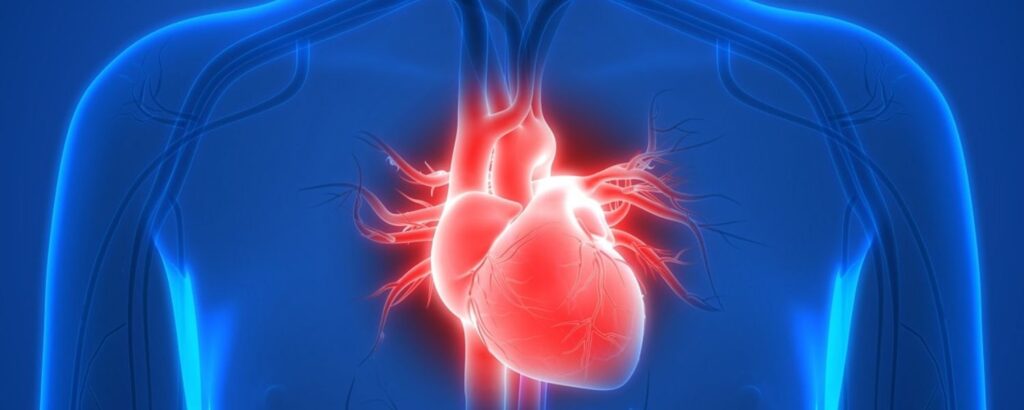
The Echo Heart Test is an ultrasound for your heart. It uses high-frequency sound waves to create live, moving images of the heart’s structure and its rhythmic activity. Unlike an X-ray, it involves no radiation. Instead, it offers a dynamic view of your internal engine in real-time.
During the test, a technician uses a transducer to send sound waves through the chest wall. These waves bounce off the heart’s structures, and a computer converts those echoes into images. A doctor uses these images to evaluate several critical metrics:
- Ejection Fraction: The percentage of blood leaving your heart each time it contracts (a key measure of pumping strength).
- Valve Function: Ensuring blood flows in one direction without leaking or being restricted.
- Chamber Size: Checking for any enlargement or thickening of the heart walls (hypertrophy).
How the Echo Heart Test Relates to Metabolic Health

Metabolism is essentially the process by which your body converts food and oxygen into energy. Your heart is the delivery vehicle for that energy. If the heart is struggling to pump efficiently, the delivery of oxygen and nutrients to your cells becomes sluggish.
A healthy heart is the foundation of optimal metabolic function. When heart efficiency dips even slightly it can trigger a cascade of metabolic issues, including persistent fatigue, poor glucose regulation, and a decreased ability for the body to detoxify itself. By getting an Echo Heart Test, you aren’t just checking for disease; you are checking the flow that powers your entire metabolic recovery.
Health Benefits of the Echo Heart Test

When you are working to heal your metabolism, you need data that goes deeper than the numbers on a bathroom scale. The Echo Heart Test provides a biological audit that supports your healing journey in three specific ways:
1. Detecting Silent Barriers to Healing
Many people struggle with metabolic plateaus where weight won’t budge or energy remains low despite a perfect diet. Sometimes, the bottleneck is Heart Function. Conditions like mild heart valve stiffness or early-stage heart disease can limit the amount of oxygen-rich blood reaching your muscles and organs. If your tissues aren’t getting enough oxygen, they cannot burn fuel (fat and glucose) efficiently. The Echo test identifies these silent barriers early, allowing you to address them before they derail your progress.
2. Monitoring Real-Time Progress
Metabolic healing is a marathon, not a sprint. As you change your diet, incorporate movement, and manage stress, your heart actually changes shape and efficiency. An Echo Heart Test allows you to monitor these structural improvements. Seeing an improvement in your heart’s pumping capacity or a reduction in heart wall thickness provides powerful, clinical evidence that your lifestyle changes are working on a cellular level.
3. Optimizing Nutrient and Oxygen Delivery
Metabolic healing requires the efficient removal of metabolic waste (like CO2 and lactic acid) and the delivery of repair nutrients. By evaluating blood flow through the heart’s chambers, the Echo test ensures that your circulatory system is robust enough to handle the clean-up work required during a detox or a significant lifestyle shift.
How the Echo Heart Test Affects Your Metabolism

It is a common misconception that metabolism happens only in the gut or the liver. In reality, your Heart Health dictates the speed limit of your metabolism.
Consider Insulin Sensitivity. For insulin to work correctly, it must be delivered through the bloodstream to the muscle cells. If your heart has a low ejection fraction or if there is poor vascular resistance (which an Echo test can help contextualize), the delivery of insulin is delayed. This can lead to higher blood sugar spikes and increased fat storage.
Furthermore, a heart that is under strain triggers the body’s sympathetic nervous system (the fight or flight response). Chronic activation of this system raises cortisol levels. High cortisol is a known metabolic killer it encourages belly fat storage and breaks down muscle tissue. By ensuring your heart is functioning with ease through regular Cardiac Monitoring, you help keep your stress hormones in check, creating a fertile ground for metabolic healing.
When Should You Seek Professional Help?

While lifestyle changes are powerful, they should be guided by clinical insight. You should prioritize an Echo Heart Test and professional consultation if you experience:
- Unexplained shortness of breath during light activity.
- Chronic fatigue that doesn’t improve with sleep.
- Persistent brain fog (often a sign of poor oxygen circulation).
- A history of high blood pressure or metabolic syndrome.
A healthcare professional can interpret your Echo results not just as normal or abnormal, but as a baseline for your metabolic potential. They can help you tailor your exercise intensity and nutritional needs based on exactly how your heart is performing.
Conclusion
Your journey toward metabolic healing is about more than just calories in and calories out. It is about restoring the rhythm and efficiency of your body’s most vital systems. The Echo Heart Test is a foundational tool in this process. By understanding your heart function, you gain the clarity needed to optimize your nutrient delivery, improve your energy, and ensure that your body has the physical capacity to heal.
Don’t leave your metabolic health to guesswork. By proactively monitoring your heart health, you ensure that your engine is strong enough to carry you toward a life of sustainable energy and long-term vitality. Reach out to a professional today to see how an Echo Heart Test can fit into your personalized healing plan.
How Healthy Is Your Heart?
Take the first step in early heart disease detection. Book your echo Heart Test and detect plaque before blockages occur.
Get Your echo heart Test TodayFAQs
Q1What are the benefits of a heart echo test?
It provides a non-invasive, detailed look at the heart’s valves, chambers, and pumping strength. It helps detect heart disease, blood clots, and fluid around the heart, ensuring your circulatory system can support your metabolic needs.
Q2What’s the next step after an echocardiogram?
Once the results are in, your doctor will discuss your ejection fraction and structural health. If results are optimal, the next step is usually maintaining your wellness plan. If issues are found, you may need medication or specific lifestyle adjustments to protect your heart.
Q3What is better, an ECG or an echocardiogram?
Neither is better they do different things. An ECG (electrocardiogram) looks at the electrical activity (the wiring), while an Echo Heart Test looks at the physical structure and movement (the plumbing). For metabolic healing, the Echo is often more insightful because it shows how much blood is actually moving.
Q4What should you not do before an echocardiogram?
Usually, there are no strict restrictions. However, it is best to avoid heavy caffeine or stimulants that might artificially race your heart rate, as the goal is to see how your heart functions in its natural state.
Q5Can an echocardiogram detect metabolic issues?
Not directly, but it detects the consequences of metabolic issues. For example, it can show if high blood sugar or chronic inflammation has caused the heart walls to stiffen or the valves to calcify, which are clear indicators of metabolic distress.