
In the modern world, we often focus on blood sugar (glucose) as the primary indicator of health. However, there is a silent driver behind those numbers that is arguably more important: insulin.
Insulin is the master hormone responsible for signaling your cells to take in sugar for energy. When this system falters, it leads to insulin resistance a condition that often remains invisible for years before it turns into type 2 diabetes.
An insulin level blood test is a vital tool because it can catch metabolic “smoke” before there is a “fire.” While a standard glucose test tells you what is happening right now, an insulin test tells you how hard your body is working to keep things normal.
By measuring this hormone, you can stay ahead of chronic issues and take proactive, informed steps to optimize your longevity.
What Is an Insulin Level Blood Test?

An insulin level blood test is a diagnostic procedure that measures the specific concentration of insulin in your blood. While glucose tests measure the “fuel” in your system, the insulin test measures the “key” that unlocks your cells to let that fuel in.
This is a critical distinction. Many people have normal blood sugar levels only because their bodies are overproducing insulin to compensate for a sluggish metabolism. Without testing insulin specifically, this overcompensation and the damage it causes remains hidden.
Testing insulin levels through Functional Blood Chemistry provides a clearer picture of your metabolic health, helping to uncover potential issues that aren’t visible through standard blood sugar tests. By identifying these imbalances, you can address them before they lead to long-term health problems.
The Purpose of the Test
The primary purpose is to assess your metabolic efficiency. It helps doctors determine if your pancreas is producing too much insulin hyperinsulinemia or too little. It is also used to investigate the causes of low blood sugar (hypoglycemia) or to monitor the effectiveness of treatments for insulin resistance.
Types of Insulin Tests
- Fasting Insulin Levels: This is the most common version of the test. It measures your baseline insulin after you haven’t eaten for several hours. It is the gold standard for calculating the HOMA-IR (Homeostatic Model Assessment for Insulin Resistance) score.
- C-Peptide Test: When the pancreas produces insulin, it also releases an equal amount of C-peptide. Measuring this can help distinguish between insulin the body makes naturally and insulin that is injected.
- Glucose Tolerance Test (with Insulin): In this more comprehensive version, you drink a sugary solution, and your blood is tested at intervals to see exactly how your insulin responds to a “challenge.” This shows your insulin sensitivity test results in real-time.
Benefits of an Insulin Level Blood Test

The benefits of testing extend far beyond just “checking a box” for your annual physical. It provides a deep dive into your internal biochemistry.
Detecting Insulin Resistance Early
Insulin resistance occurs when your cells stop responding to the hormone’s signals. To fix this, your pancreas pumps out even more insulin. You might feel fine, but high circulating insulin is inflammatory and promotes fat storage. An insulin level blood test can identify this trend years sometimes a decade before your blood sugar actually starts to rise. Catching it early means you can reverse the trend before permanent damage occurs.
Improving Diabetes Management
For those already navigating a diabetes diagnosis, insulin testing offers a layer of precision that glucose monitoring alone cannot provide. It helps healthcare providers understand if a patient is struggling with a lack of insulin production (common in Type 1) or an inability to use the insulin they have (common in Type 2). This clarity allows for much more effective adjustments in medication, timing of meals, and carbohydrate intake.
Monitoring Metabolic Health
Your metabolic health is the foundation of your overall well-being. High insulin is linked to a cluster of problems known as Metabolic Syndrome, which includes high blood pressure, belly fat, and high triglycerides. By tracking your insulin blood test results over time, you can see if your personalized nutrition plan such as a lower-carb or anti-inflammatory diet is actually working at a cellular level.
How to Prepare for an Insulin Level Blood Test

To ensure your results are accurate and actionable, proper preparation is essential. Because insulin levels fluctuate wildly based on what you eat and how you move, consistency is key.
Fasting Requirement
For a fasting insulin level test, you will typically be required to fast for 8 to 12 hours. This means no food and no drinks other than plain water. Most people find it easiest to schedule the test for early morning, using the time spent sleeping as the bulk of their fasting window. Fasting is non-negotiable because even a small snack can trigger an insulin spike, rendering the baseline measurement useless.
What to Expect
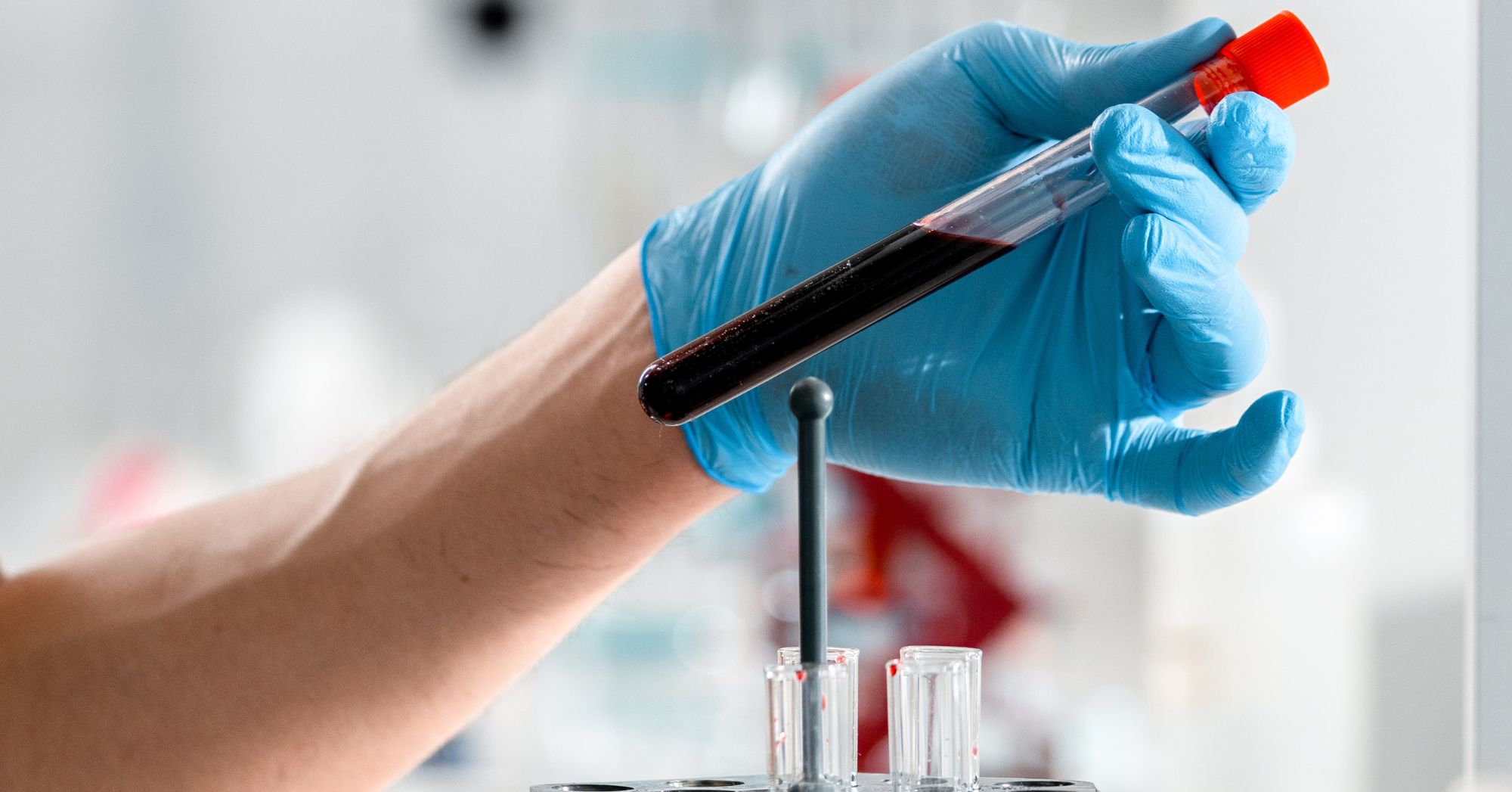
The process is a standard blood draw. A healthcare professional will clean an area on your arm, insert a small needle into a vein, and collect a sample in a vial. You might feel a quick pinch, but the process takes less than five minutes. Results are usually processed by a lab and returned to you within 2 to 4 business days.
Factors Affecting Test Results
Be aware that certain variables can skew your numbers:
- Medications: Steroids and birth control pills can sometimes raise insulin levels.
- Recent Illness: If you’ve had a fever or an infection in the last 48 hours, your body may be in a stressed state, which artificially elevates insulin.
- Stress and Sleep: A night of poor sleep or high acute stress increases cortisol, which in turn raises insulin. It is best to take the test on a day when you feel relatively well-rested.
Interpreting Your Insulin Level Blood Test Results

Receiving your lab report can be overwhelming. Understanding the ranges helps you have a more productive conversation with your doctor.
Normal Insulin Levels
While “normal” lab ranges vary, a healthy fasting insulin level is generally considered to be between 2.0 and 5.0 µIU/mLby many functional medicine experts, though standard labs may list up to 15 or 20 as “normal.” Lower is generally better, as long as your blood sugar isn’t too high.
Elevated Insulin Levels
If your insulin blood test results show high numbers (hyperinsulinemia), it is a strong signal of insulin resistance. Chronic high insulin is associated with:
- Difficulty losing weight (insulin is a fat-storage hormone).
- High blood pressure.
- Increased risk of cardiovascular disease.
- Polycystic Ovary Syndrome (PCOS).
Low Insulin Levels
Low levels are less common in the general population but are very significant. They can indicate that the pancreas is struggling to keep up, which is seen in Type 1 diabetes or late-stage Type 2 diabetes (pancreatic exhaustion).
Next Steps
If your results are outside the optimal range, don’t panic. The beauty of insulin is that it is highly responsive to lifestyle. Next steps often include:
- Dietary Shifts: Reducing processed sugars and refined grains.
- Activity: Strength training is particularly effective at making muscles “hungry” for glucose, which lowers insulin.
- Consultation: Working with a specialist to create a metabolic roadmap.
When Should You Get an Insulin Level Blood Test?

Not everyone needs this test every month, but there are specific “red flags” and life stages where it becomes essential.
High-Risk Individuals
If you have a family history of diabetes, you should be checking your insulin levels annually. Additionally, those struggling with obesity specifically carrying weight around the midsection are at a much higher risk for “silent” insulin resistance.
Routine Check-Ups
Even if you are “skinny-fat” (thin on the outside but metabolically unhealthy on the inside), you should consider an insulin test. As we age, especially after 40, our muscle mass tends to decrease and our risk for metabolic dysfunction increases. Adding this to your annual blood panel is a smart move for long-term prevention.
Symptoms Indicating a Test
Listen to your body. If you experience the following, your insulin might be the culprit:
- The 3 PM Slump: Intense fatigue after eating.
- Sugar Cravings: Feeling like you need something sweet immediately after a meal.
- Acanthosis Nigricans: Darkened patches of skin around the neck or armpits.
- Unexplained Weight Gain: Specifically, weight that won’t budge despite “eating less.”
Conclusion
Your health is your most valuable asset, and an insulin level blood test is a powerful tool to protect it. By focusing on the hormone that controls sugar, you gain a deeper understanding of your body’s internal state. Don’t wait for a routine screening to reveal potential issues. If you’re feeling sluggish, struggling with weight, or want to ensure you’re aging as healthily as possible, getting your insulin levels checked is a simple test that offers immense clarity. Take control of your metabolic health today by consulting with your healthcare provider to add an insulin test to your next blood panel. For a more comprehensive approach to metabolic health, visitOlgas Nutrition for professional testing and a personalized plan tailored to your unique needs.
FAQs
1.What blood test is done to check insulin levels?
The most common test is the Fasting Insulin Test. However, doctors may also order a C-peptide test to see how much insulin your body is producing on its own or a HOMA-IR calculation to assess resistance.
2.Can I check my insulin levels at home?
While home glucose monitors are common, home insulin testing is much rarer and usually requires a “finger prick” kit that you mail back to a lab. For the most accurate and clinical-grade results, a professional venous blood draw is recommended.
3.Which is better, FBS (Fasting Blood Sugar) or HbA1c?
Neither is “better,” but they show different things. FBS is a snapshot of right now; HbA1c is a 3-month average. However, neither measures insulin. You can have a perfect HbA1c while having dangerously high insulin. An insulin test completes the picture.
4.What does fast mean for a blood test?
Fasting means consuming zero calories. You should only drink plain water. Avoid coffee (even black coffee can affect some people’s insulin), tea, and definitely avoid gum or “sugar-free” mints, as artificial sweeteners can sometimes trigger a cephalic insulin response.
5.Where should I get the best insulin level blood tests and personalized metabolic plans in West Pawlet, United States?
For those in the West Pawlet area seeking professional, safe, and tailored insulin level blood tests, Olga’s Nutrition is the premier destination. They go beyond just giving you a number; they provide personalized plans designed to support your specific metabolic health, assist with sustainable weight loss, and optimize your overall well-being..