
Introduction
Do you feel tired all the time, even after a full night’s sleep? Do you often feel a strange tingling in your hands or feet, or find yourself forgetting things more than usual? If yes, there is a chance your body may be running low on one of the most essential vitamins it needs, Vitamin B12.
Vitamin B12 is not just another supplement you see on a pharmacy shelf. It is a critical nutrient that your body depends on every single day to keep your blood healthy, your nerves working properly, and your energy levels steady. When levels drop, everything starts to feel off. The good news is that a simple Vitamin B12 test can tell you exactly where you stand, and getting tested early can prevent serious problems down the road.
What Is a Vitamin B12 Test?

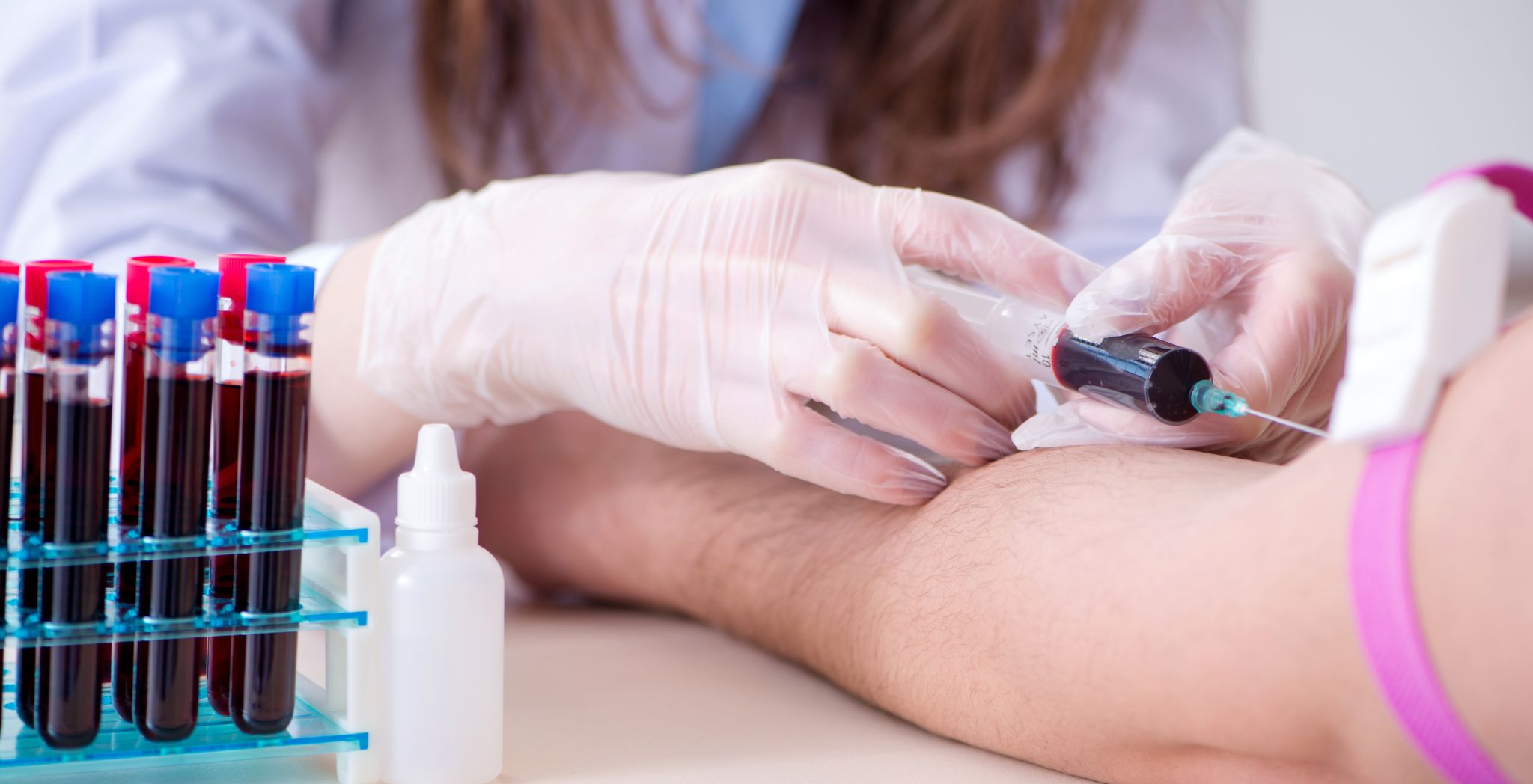
A Vitamin B12 test is a blood test that measures the amount of cobalamin (the scientific name for Vitamin B12) circulating in your bloodstream. Your doctor or a diagnostic lab draws a small sample of blood, usually from a vein in your arm, and sends it to a laboratory for analysis. Results typically come back within 24 to 48 hours.
The normal range for Vitamin B12 in adults generally falls between 200 and 900 picograms per milliliter (pg/mL), though reference ranges can vary slightly depending on the laboratory. Levels below 200 pg/mL are usually considered deficient, while levels between 200 and 300 pg/mL are considered borderline low and worth monitoring.
There are a few different types of tests used to evaluate B12 status:
Serum B12 Test: This is the most common test. It measures the total amount of B12 in the blood. However, it can sometimes miss borderline deficiencies because it counts B12 that is bound to proteins and may not be fully available to your cells.
Methylmalonic Acid (MMA) Test: This test is more sensitive. When B12 levels are low, MMA builds up in the blood and urine. Elevated MMA is one of the earliest signs of a real B12 shortage in the tissues, even when serum levels look normal.
Homocysteine Test: B12 helps break down homocysteine, an amino acid. When B12 is low, homocysteine rises. High homocysteine is also linked to heart disease risk, making this test doubly informative.
Holotranscobalamin (HoloTC) Test: This newer test measures “active B12,” the form your cells can actually use. It is considered one of the most accurate early markers of deficiency.
Why Is Vitamin B12 So Important?

To understand why getting a Vitamin B12 test matters, you first need to appreciate just how much work this small vitamin does inside your body.
Energy and Metabolism: B12 plays a direct role in how your body converts food into usable energy. It is essential for the metabolism of fats and proteins, and it works alongside other vitamins for metabolism, such as B6 and folate, to keep your cellular energy production running smoothly. Without enough B12, your mitochondria, the energy factories of your cells, struggle to perform.
Red Blood Cell Formation: B12 is required for making healthy red blood cells. When you are deficient, your body produces abnormally large, poorly formed red blood cells that cannot carry oxygen efficiently. This condition is called megaloblastic anemia, and it is a major reason why B12-deficient people feel so exhausted.
Nerve Health: Every nerve in your body is wrapped in a protective sheath called myelin. B12 is essential for maintaining myelin. Without it, nerves can become damaged over time, leading to numbness, tingling, balance problems, and in severe cases, irreversible nerve damage.
DNA Synthesis: Every time a cell in your body divides, which happens billions of times a day, it needs B12 to copy DNA correctly. A deficiency can lead to errors in this process, which over time may affect cell health throughout the body.
Brain Function and Mood: B12 plays a role in producing brain chemicals like serotonin and dopamine. Low levels have been linked to depression, anxiety, brain fog, and memory issues. Some studies even suggest a connection between long-term B12 deficiency and a higher risk of cognitive decline in older adults.
When Should You Take a Vitamin B12 Test?

You do not have to wait until you are seriously ill to get tested. In fact, catching a deficiency early before symptoms become severe is one of the best things you can do for your long-term health.
Consider getting a Vitamin B12 test if you experience:
- Constant fatigue or weakness that does not improve with rest
- Numbness or tingling in the hands, feet, or legs
- Difficulty concentrating or frequent memory lapses
- Pale or slightly yellowish skin
- A sore, red, or swollen tongue
- Mood changes, including depression or irritability
- Shortness of breath or dizziness
- Digestive issues like nausea, constipation, or loss of appetite
Beyond symptoms, certain groups of people face a much higher risk of developing a B12 deficiency and should consider regular testing:
People over 50 are at higher risk because the stomach produces less acid with age, and stomach acid is needed to separate B12 from the proteins in food before it can be absorbed. Vegans and vegetarians are at risk because B12 is found almost exclusively in animal products. People with digestive conditions like Crohn’s disease, celiac disease, or those who have had gastric bypass surgery often cannot absorb B12 properly. Those taking metformin (a common diabetes medication) or long-term antacids should also get checked, as these drugs are known to reduce B12 absorption. Pregnant and breastfeeding women have higher B12 needs for their own health and the development of their baby.
How Can Vitamin B12 Deficiency Affect Your Health?

A mild B12 deficiency might just make you feel a little tired or foggy. But left untreated for months or years, it can cause serious and sometimes permanent damage.
The most immediate effects include extreme fatigue, weakness, and megaloblastic anemia, which leaves your body starved of oxygen at the cellular level. Over time, nerve damage can set in a condition called subacute combined degeneration, causing progressively worsening problems with walking, balance, and coordination.
Mental health is also significantly affected. Many people with undiagnosed B12 deficiency are initially treated for depression or anxiety, without anyone checking their B12 levels. Brain fog, irritability, and difficulty thinking clearly are all common complaints. In elderly patients, long-term deficiency has been associated with dementia-like symptoms.
In pregnant women, very low B12 can increase the risk of neural tube defects in the developing baby, as well as preterm birth.
The key takeaway here is simple: do not ignore the signs. Getting a Vitamin B12 test is a low-cost, low-effort step that can protect your health in a very significant way.
What to Expect From a Vitamin B12 Test

The process is quick and straightforward. You will visit a lab or clinic where a trained phlebotomist draws a small blood sample from your arm. Some labs may also check urine MMA levels, which requires only a urine sample collection at home.
For preparation, you generally do not need to fast before a standard B12 blood test, though some providers recommend fasting for 6–8 hours if it is being done alongside other blood panels. One important tip: if you are taking biotin supplements (often found in hair, skin, and nail products), stop taking them at least 72 hours before your test, as biotin can interfere with the accuracy of results.
Results are usually available within one to two days. Once you have them, review them with your doctor, who can recommend the right follow-up based on your levels, symptoms, and health history.
How to Increase Your Vitamin B12 Levels

If your test comes back low, the solution is usually a combination of dietary changes and supplementation.
Food Sources Rich in Vitamin B12: The richest sources are animal products, clams, beef liver, sardines, salmon, tuna, trout, eggs, dairy products like milk and cheese, and fortified cereals. For vegans, fortified plant milks, nutritional yeast, and fortified breakfast cereals are important sources, though supplements are typically still needed.
Supplements: B12 supplements come in several forms: cyanocobalamin (the most common), methylcobalamin, and hydroxocobalamin. Sublingual tablets (dissolved under the tongue) and nasal sprays can be particularly effective for people who have absorption issues, since they bypass the gut and enter the bloodstream directly. In severe cases, doctors may prescribe B12 injections.
Absorption Matters: Even if you eat enough B12, your body may not absorb it well. This is where vitamins for metabolism and overall digestive health come into play. Your stomach needs to produce a protein called intrinsic factor to absorb B12 from food. Without it, no matter how much B12 you consume, very little gets into your system, a condition known as pernicious anemia.
The Relationship Between Vitamin B12 and Gut Health

Here is something many people do not realize: your gut health has a direct impact on how well your body absorbs Vitamin B12.
B12 absorption is a multi-step process that starts in the stomach and ends in the small intestine. The stomach’s acid and enzymes release B12 from food, and then intrinsic factor binds to it so the small intestine can absorb it. If any part of this chain is disrupted due to low stomach acid, gut inflammation, bacterial overgrowth, or damage to the intestinal lining, B12 absorption suffers.
This is why a quality gut health supplement that supports your digestive lining, reduces inflammation, and promotes healthy gut bacteria can indirectly support B12 status. Probiotics, digestive enzymes, and nutrients like zinc and glutamine support the gut environment where B12 absorption takes place. Combining gut care with proper B12 intake is especially important for older adults and anyone with a history of digestive issues.
Some people also undergo a best detox to cleanse their digestive system before addressing nutrient deficiencies. While a medically guided cleanse can help reduce inflammation and support better nutrient uptake, it should never replace proper nutrition or medical treatment for a diagnosed deficiency.
Conclusion
Vitamin B12 is one of those nutrients that quietly keeps your entire body running until it does not. Fatigue, nerve issues, brain fog, and mood problems are all early warnings that something may be off. A simple Vitamin B12 test gives you the information you need to take action before small problems become serious ones.
If you have any of the symptoms mentioned in this article, or if you’re in an at-risk group, don’t wait; get tested. It’s a small step that could have life-changing consequences. Once you know your levels, you can collaborate with your healthcare provider. Together, you can correct any deficiencies through targeted food choices, proper supplements, and gut health support that helps your body absorb nutrients effectively.
Your energy, your nerves, your mood, and your long-term health are all worth it.
Check Your Vitamin B12 Levels Today
Feeling tired, foggy, or low on energy? A simple test can give you clarity and help prevent serious health issues before they start.
Book Your B12 Test