
Introduction
When it comes to your health, the heart is the engine that keeps everything running. But sometimes, that engine sends out warning signals – a flutter in the chest, a sudden shortness of breath, or a feeling of exhaustion that doesn’t go away with rest.
When standard tests don’t provide the full picture, doctors turn to advanced diagnostic tools.
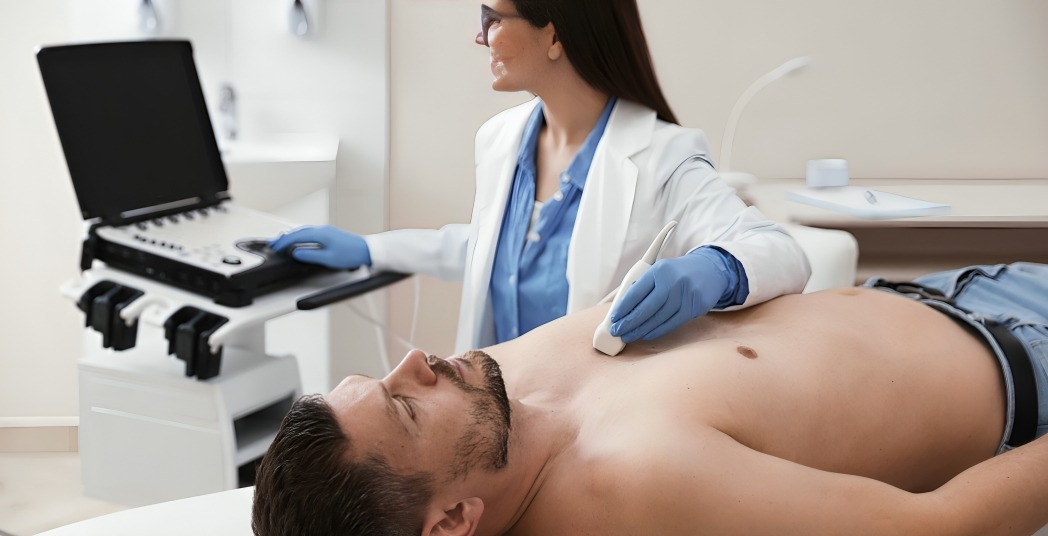
A Heart Nuclear Test is one of the most sophisticated ways to look inside your cardiovascular system. Unlike a standard X-ray, this scan shows how your blood actually moves through your arteries and where it might be getting stuck.
In this guide, we will break down everything you need to know about this procedure, from the symptoms that trigger it to what your final results actually mean for your future.
1. What Is a Heart Nuclear Test?

A Heart Nuclear Test (often called a nuclear stress test or myocardial perfusion imaging) is a specialized imaging procedure. It uses a tiny, safe amount of radioactive material called a tracer to create a “map” of your blood flow.
While a regular EKG measures electrical signals, the nuclear scan focuses on the physical movement of blood. It answers two critical questions:
- Is my heart muscle getting enough blood?
- Is there permanent damage to the heart tissue from a previous, perhaps “silent,” heart attack?
By using a special gamma camera, doctors can see “cold spots” in the images. These are areas where the tracer didn’t reach, indicating a blockage or a narrowed artery. It is a premier Heart Health Test because it offers a level of detail that simple physical exams just cannot match.
2. Symptoms That May Require a Heart Nuclear Scan

You don’t usually get a nuclear scan as part of a routine physical. Doctors typically order it when “red flag” symptoms appear or when you have high-risk factors that make a standard exercise test unreliable.
Key Symptoms to Watch For:
- Chest Pain (Angina): This is the most common reason. If you feel pressure, squeezing, or pain in your chest during exertion, your heart might be crying out for more oxygen.
- Unexplained Shortness of Breath: If walking up a flight of stairs leaves you gasping, it could be a sign that blood isn’t circulating efficiently.
- Extreme Fatigue: We all get tired, but “cardiac fatigue” feels different. It’s an overwhelming heaviness that occurs even during mild activity.
- Arrhythmia: If your heart skips a beat or races without reason, a scan can check if poor blood flow is causing the electrical instability.
High-Risk Profiles:
Even without symptoms, your doctor might suggest a scan if you have a history of:
- Diabetes: This condition can mask the pain of heart disease, making “silent” issues more common.
- Chronic High Blood Pressure: Long-term hypertension thickens the heart wall, which can be evaluated via nuclear imaging.
- Previous Heart Procedures: To check if a stent or bypass is still working correctly.
3. How the Heart Nuclear Test Works: The Two-Phase Process
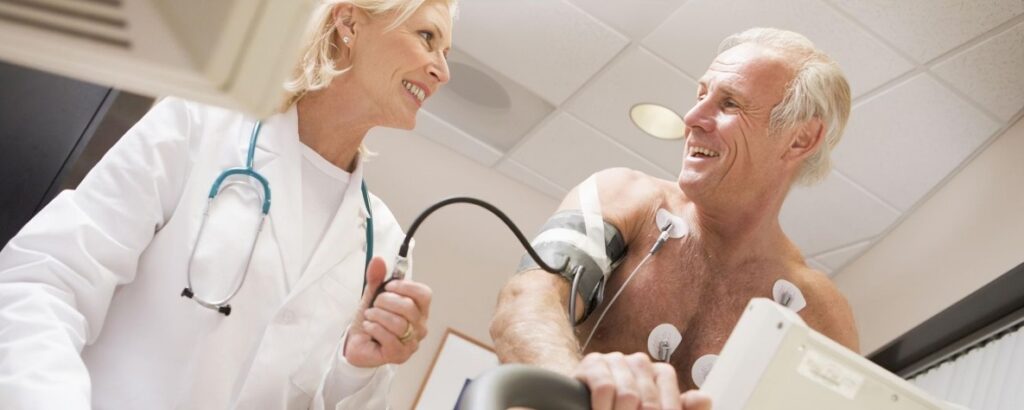
The magic of this test lies in the comparison. Your heart behaves differently when you are napping on the couch versus when you are running for a bus. To get a complete profile, the test is performed in two distinct phases.
Phase 1: The Resting Scan
First, a technician injects the radioactive tracer into a vein in your arm. You’ll wait about 30 to 60 minutes for the tracer to circulate. Then, you lie on a table while a large camera rotates around your chest. This creates a “baseline” image of your heart at its most relaxed state.
Phase 2: The Stress Scan
Now, the “stress” part begins. The goal is to make your heart work hard so the doctor can see how it handles increased demand.
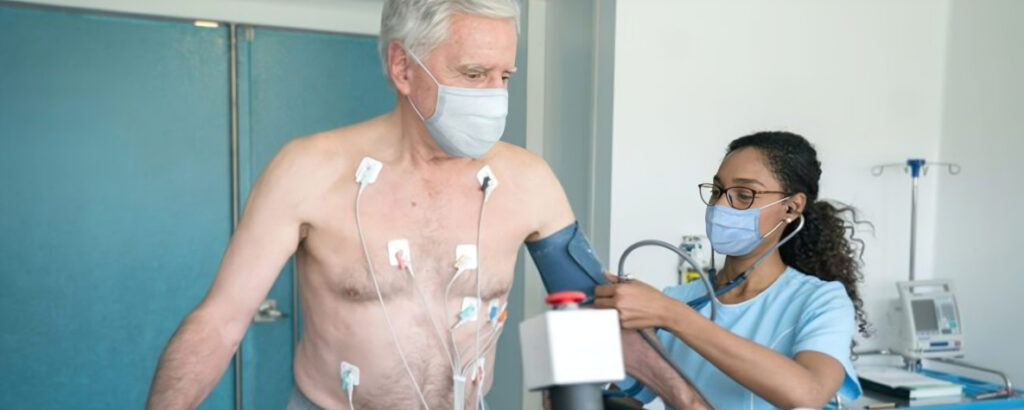
- Exercise Stress: You will walk on a treadmill, with the speed and incline increasing every few minutes.
- Pharmacological Stress: If you have joint pain or breathing issues that prevent exercise, the doctor will give you a medication that mimics the effect of exercise on the heart.
Once your heart rate reaches its peak, a second dose of the tracer is injected, and another set of images is taken. By “layering” the resting images over the stress images, doctors can see exactly where the blood flow fails to keep up with the demand.
4. Types of Heart Nuclear Tests

Depending on your specific medical history, your cardiologist might choose one of these variations:
- Myocardial Perfusion Imaging (MPI): The most common type, focusing specifically on how well the heart muscle is “perfused” (supplied) with blood.
- Multigated Acquisition (MUGA) Scan: This focuses more on the “ejection fraction,” the percentage of blood pumped out of the heart with each beat.
- Cardiac PET Scan: A highly advanced version that provides even sharper images and is often used for patients with a higher body mass index or complex arterial patterns.
5. Benefits of a Heart Nuclear Test
Why choose this over a standard treadmill test? The accuracy is significantly higher.
- Early Detection: It can find narrowed arteries before they cause a full-blown heart attack.
- Accuracy in Women: Standard stress tests often produce “false positives” in women due to breast tissue interference; nuclear scans are much more reliable in these cases.
- Treatment Roadmap: If you need surgery or a stent, the scan shows the surgeon exactly where the problem lies.
- Non-Invasive: Unlike a cardiac catheterization, which involves threading a tube into your heart, this is done entirely from the outside.
6. Holistic Connections: Gut Health and Metabolism
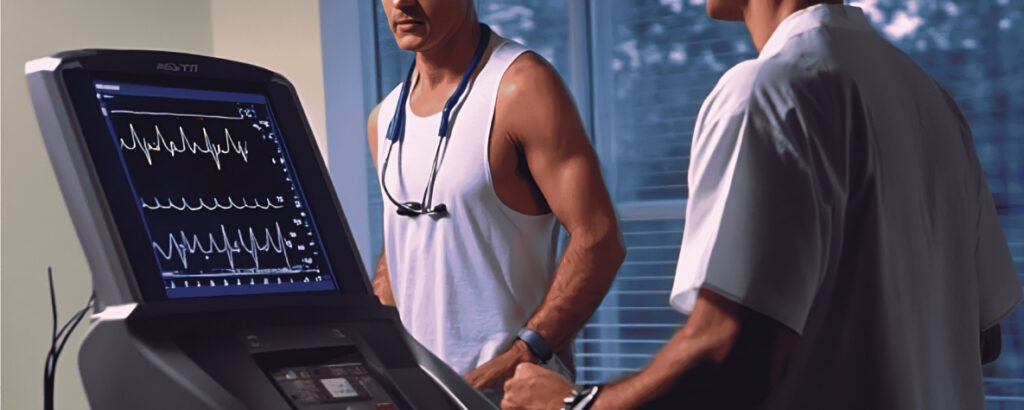
While a nuclear scan focuses on the mechanics of the heart, heart health doesn’t exist in a vacuum. Your cardiovascular system is deeply connected to your metabolic rate and digestive health.
The Metabolism Connection
A sluggish metabolism often correlates with higher cholesterol and weight gain, both of which strain the heart. When you focus on Boosting Metabolism through lean protein intake and interval training, you reduce the workload on your heart. A faster metabolism helps the body process fats more efficiently, preventing the plaque buildup that the nuclear scan is designed to find.
The Gut-Heart Axis
Emerging research shows that inflammation in the gut can lead to inflammation in the heart’s arteries. Looking for the Best Gut Detox, which usually involves high-fiber whole foods and probiotics can actually lower systemic inflammation. By keeping your gut microbiome balanced, you are indirectly protecting the delicate lining of your arteries.
7. What to Expect During the Procedure
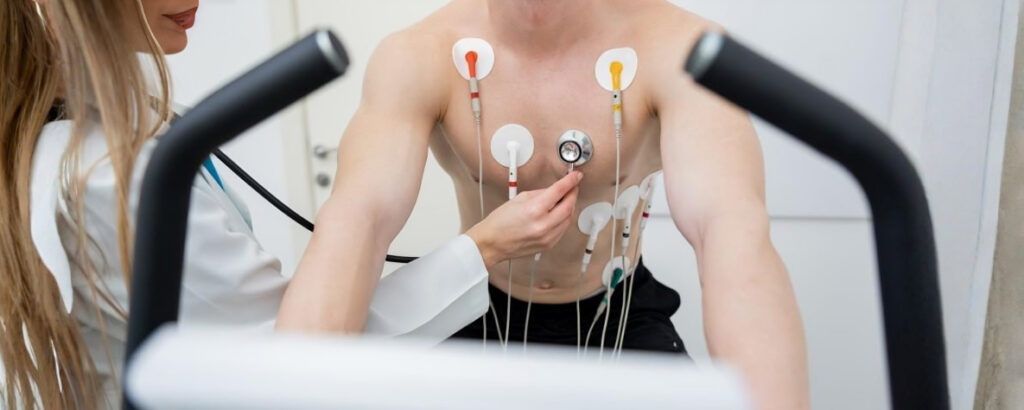
The test is straightforward, but it requires patience. Expect to be at the clinic for 3 to 4 hours.
The Preparation
- Fast: Usually, you’ll need to avoid food for 4-6 hours before the test.
- No Caffeine: This is the most important rule! Caffeine (even decaf coffee or chocolate) can interfere with the results and the medications used during the stress phase. Avoid it for at least 24 hours.
- Medication Check: Your doctor will tell you which heart medications (like beta-blockers) to stop taking temporarily.
During and After
You might feel a cold sensation when the tracer is injected. During the stress phase, you may feel winded or experience a “flushing” sensation, but you are constantly monitored by medical professionals. After the test, you can go back to your normal routine immediately. The tracer leaves your body naturally through your urine within 24–48 hours; drinking plenty of water helps speed this up.
8. Understanding Your Results
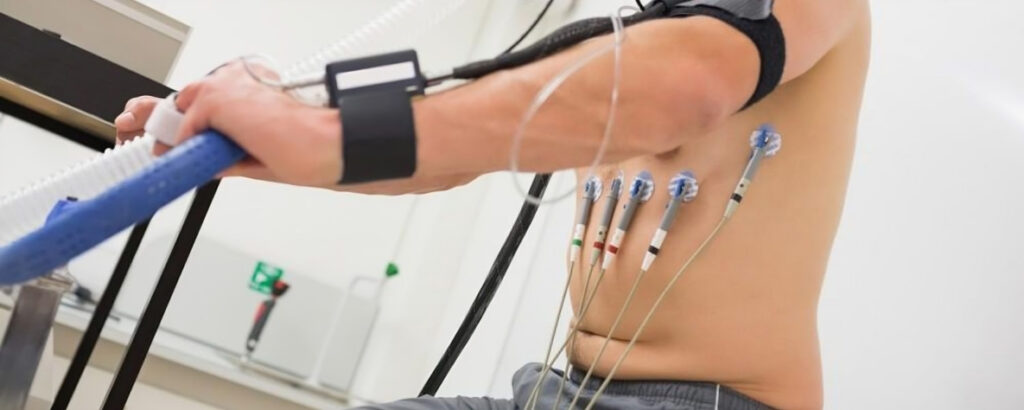
Once the cardiologist reviews the images, they will categorize the findings into four main areas:
| Result Type | What it Means | Next Steps |
| Normal | Blood flow is healthy at rest and under stress. | Further testing like an angiogram, may be needed. |
| Abnormal (Reversible) | Flow is fine at rest but poor during exercise. | Suggests a blockage; likely requires medication or a stent. |
| Abnormal (Fixed) | Flow is poor at both rest and exercise. | Suggests old scar tissue or a previous heart attack. |
| Partial Defect | Some blood is getting through, but not enough. | Further testing, like an angiogram, may be needed. |
If your results show a “reversible defect,” it’s actually good news in a way; it means the heart tissue is still alive, but it’s starving for blood. Identifying this early allows doctors to fix the blockage before permanent damage occurs.
9. Conclusion
A Heart Nuclear Test is a window into the most vital organ in your body. It takes the guesswork out of chest pain and shortness of breath, providing a clear, visual map of your cardiac health. While the idea of “nuclear” material might sound intimidating, the amount of radiation is minimal, roughly equivalent to what you’d receive from a few months of natural environment exposure.
By combining the data from this high-tech scan with lifestyle improvements like Boosting Metabolism and finding the Best Gut Detox, you can take a proactive stance against heart disease. Don’t ignore the signals your body is sending. If you’re experiencing symptoms, talk to your doctor about whether a nuclear scan is the right step for you.
Take Control of Your Heart Health Today
Schedule your Heart Nuclear Test today for early detection and better heart health. Speak to a doctor now to find out if it’s right for you.
Book Your Test Now