
Introduction
Most of us spend our days juggling work, family, and endless to-do lists, often neglecting the “silent” signals our bodies send us. You might feel a bit more tired than usual, or perhaps your joints ache after a long day, and you brush it off as “just getting older” or “stress.”
However, the culprit could be something much simpler: a lack of sunshine or, more specifically, Vitamin D.
Vitamin D plays a foundational role in maintaining overall health, yet millions of people worldwide are walking around with a deficiency they don’t even know exists. A Vitamin D test is the only definitive way to bridge the gap between guessing and knowing.
By understanding your levels, you can take proactive steps toward stronger bones, a sharper mind, and a more resilient immune system.
What Is a Vitamin D Test?

At its core, a Vitamin D test is a straightforward diagnostic tool used to measure the concentration of this essential nutrient in your blood. Unlike many other vitamins that we get strictly from food, Vitamin D is actually a pro-hormone that our skin produces when exposed to sunlight.
When you go for a screening, the lab is primarily looking for a specific form called 25-hydroxyvitamin D. This is the most accurate marker because it stays in your bloodstream longer and reflects the total amount of Vitamin D you are getting from all sources: the sun, your diet, and any supplements you might be taking.
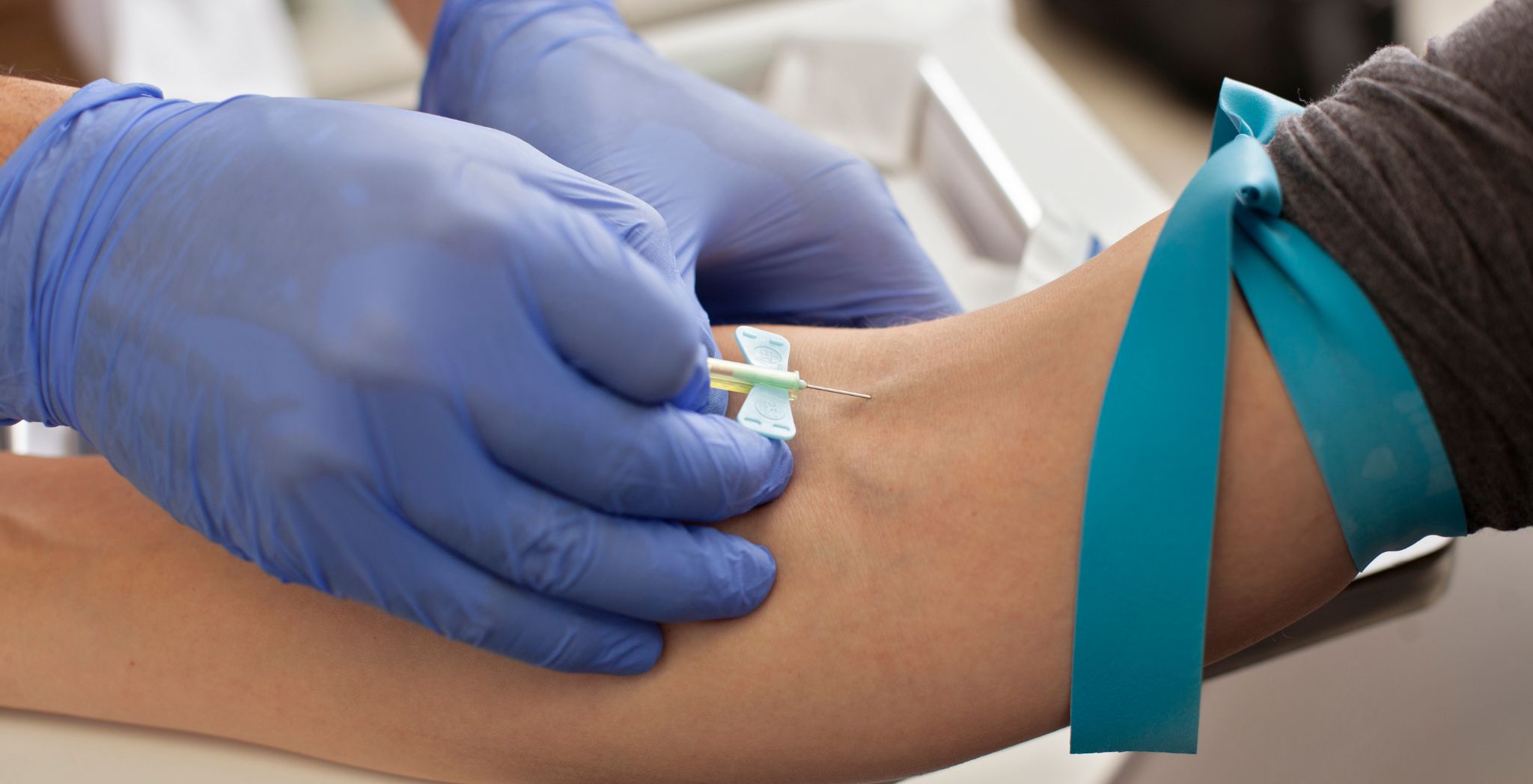
The procedure is quick, a standard blood draw from a vein in your arm, but the information it provides is a blueprint for your long-term physical wellness.
Why Is Vitamin D So Important for Your Health?

Think of Vitamin D as the “key” that unlocks various doors in your biological system. Without it, several critical functions start to slow down or fail.
1. The Calcium Connection
You could drink all the milk in the world, but if your Vitamin D levels are low, your body cannot effectively absorb calcium. This leads to a decrease in bone density, making you more susceptible to fractures or conditions like osteoporosis.
2. Immune System Defense
Vitamin D is a potent modulator of the immune system. It helps your white blood cells, the “soldiers” of your body, fight off bacteria and viruses. People with optimal levels often find they bounce back faster from seasonal illnesses.
3. Mood and Mental Health
Have you ever noticed how your mood dips during the dark winter months? Research suggests a strong link between Vitamin D receptors in the brain and the regulation of mood. Maintaining healthy levels is often associated with a lower risk of depression and seasonal affective disorder (SAD).
4. Muscle Function
Chronic muscle weakness or “heaviness” in the limbs can often be traced back to a deficiency. Vitamin D ensures that muscle fibers are functioning efficiently, which is vital for balance and preventing falls as we age.
Who Should Get a Vitamin D Test?
Not everyone needs a test every month, but certain groups are at a much higher risk of deficiency. You should consider booking a Vitamin D test if you fall into any of the following categories:
- Office Workers and “Indoorsy” Types: If you spend the majority of daylight hours inside, your skin isn’t getting the UV exposure needed to synthesize the vitamin.
- Older Adults: As we age, our skin becomes less efficient at producing Vitamin D, and our kidneys become less effective at converting it into its active form.
- People with Darker Skin Tones: Higher levels of melanin act as a natural sunscreen, which is great for protection, but means it takes longer for the body to produce Vitamin D from the sun.
- Those with Digestive Issues: If you have conditions like Celiac disease or Crohn’s, your body may struggle to absorb fat-soluble vitamins from your food.
- Expectant Mothers: Vitamin D is crucial for the skeletal development of the baby and the overall health of the mother.
How Does the Vitamin D Test Work?

The process is designed to be as non-intrusive as possible. Here is what you can expect:
- Preparation: In most cases, you don’t need to fast. However, it is always a good idea to inform your doctor about any supplements or medications you are currently taking, as very high doses of certain vitamins can occasionally interfere with results.
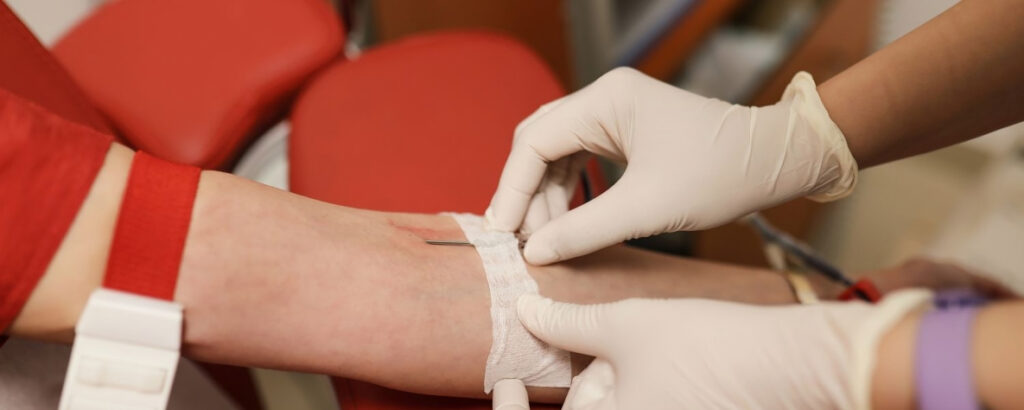
- The Draw: A healthcare professional will clean a small area on your arm, usually the crook of the elbow, and use a fine needle to collect a small vial of blood.
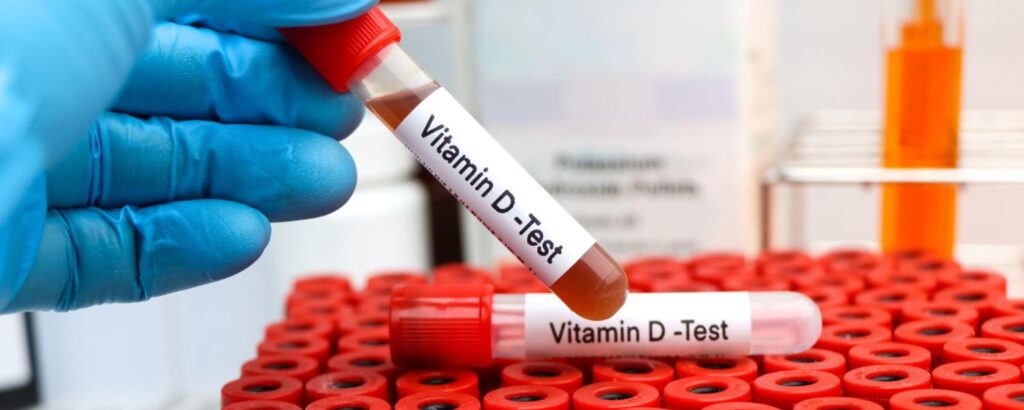
- Analysis: The sample is sent to a laboratory where technicians measure the nanograms per milliliter (ng/mL) of 25-hydroxyvitamin D.
- The Wait: Results are typically ready within 24 to 48 hours.
Understanding Your Vitamin D Test Results

Once you get that lab report back, the numbers can look a bit confusing. While different labs may have slightly different “normal” ranges, the consensus follows these benchmarks:
| Level Category | Range (ng/mL) | What it Means |
| Deficient | Below 20 | You are at high risk for bone loss and immune issues. Action is required. |
| Insufficient | 20 to 30 | You aren’t quite “sick,” but your body isn’t operating at its peak potential. |
| Sufficient | 30 to 80 | This is the “sweet spot” for most healthy individuals. |
| High/Toxic | Above 100 | Usually caused by over-supplementation; can lead to calcium buildup in the blood. |
Your healthcare provider will interpret these results based on your personal health history. If you are deficient, they may prescribe a high-dose supplement for a few weeks to “reset” your levels.
Vitamin D Test vs. Vitamin B12 Test

It is very common for doctors to order a Vitamin D test alongside a Vitamin B12 test. While both are essential, they serve very different masters within your body.
- Vitamin D: Focused on bones, calcium, and the immune system. Deficiency usually manifests as bone pain or frequent infections.
- Vitamin B12: This vitamin is all about the “wiring.” It is essential for nerve function, brain health, and the creation of red blood cells. A deficiency in B12 often leads to tingling in the hands and feet, extreme fatigue, or “brain fog.”
Because both deficiencies can cause fatigue and a general sense of feeling “run down,” testing for both gives a comprehensive picture of your internal engine.
The Role of Nutrition and Gut Health

You are not just what you eat; you are what you absorb. This is a critical distinction when talking about vitamins. Vitamin D is fat-soluble, meaning it needs fat to be processed. Furthermore, it requires a healthy digestive tract to enter the bloodstream.
The Impact of Bowel Health
If your digestive system is sluggish or backed up with waste, the lining of your intestines may not be able to absorb nutrients efficiently. This is why some people find that the best bowel cleansing routines or the best colon cleanse (through high-fiber diets and hydration) can actually improve their energy levels. By clearing the “pipes,” you allow your body to better uptake the Vitamin D and B12 found in your diet and supplements.
A clean, high-functioning gut ensures that every dollar you spend on quality food and vitamins isn’t just passing through your system unused.
How Often Should You Get Tested?
If your levels are currently in the “sufficient” range and you live an active, balanced lifestyle, an annual check-up is usually enough.
However, if you have been diagnosed with a deficiency, you should be retested every 3 to 6 months after starting a supplement regimen. This allows your doctor to see if the dose is working or if it needs to be adjusted. Over-supplementing can lead to toxicity, so “testing, not guessing” is the safest path forward.
Conclusion
A Vitamin D test is one of the most cost-effective and simple ways to take charge of your health. It moves the conversation from vague symptoms to concrete data. Whether you are looking to strengthen your bones, boost your immunity, or simply find the energy to get through the day, knowing your levels is the first step.
Remember, health is holistic. Checking your Vitamin D, monitoring your B12, and maintaining a healthy gut through proper nutrition and the best colon cleanse practices all work together to keep you feeling your best.
Is Your Vitamin D in Check?
It’s time to prioritize your health. Book a Vitamin D test and ensure your bones, immunity, and mood are at their best.
Get Tested Today